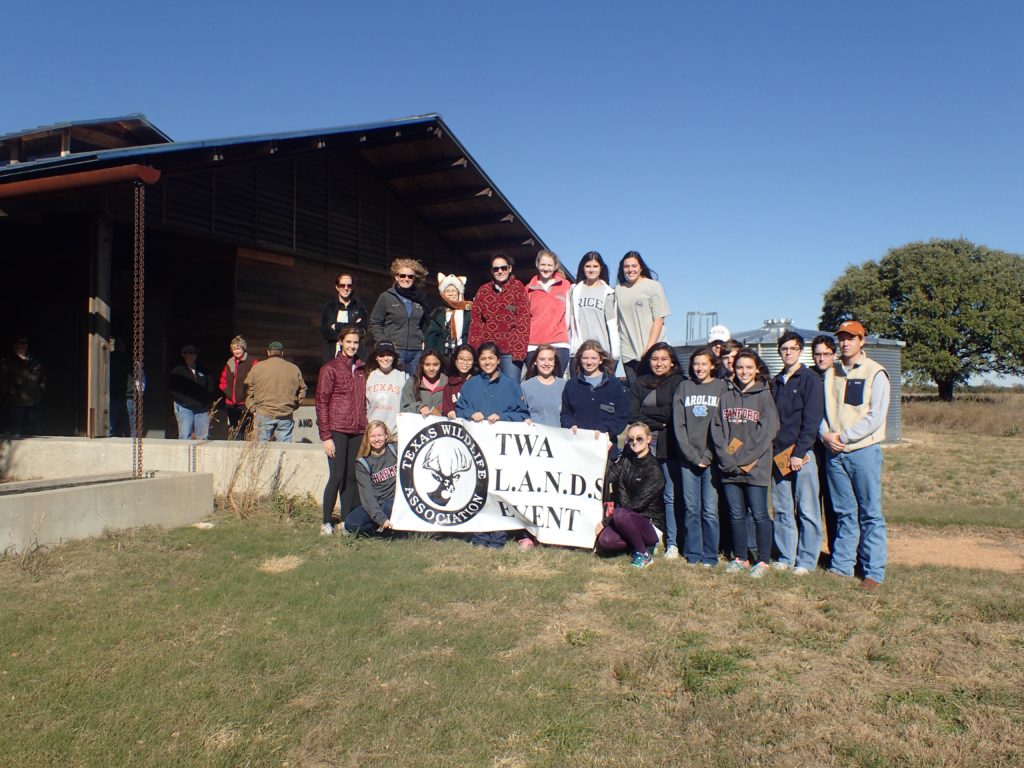
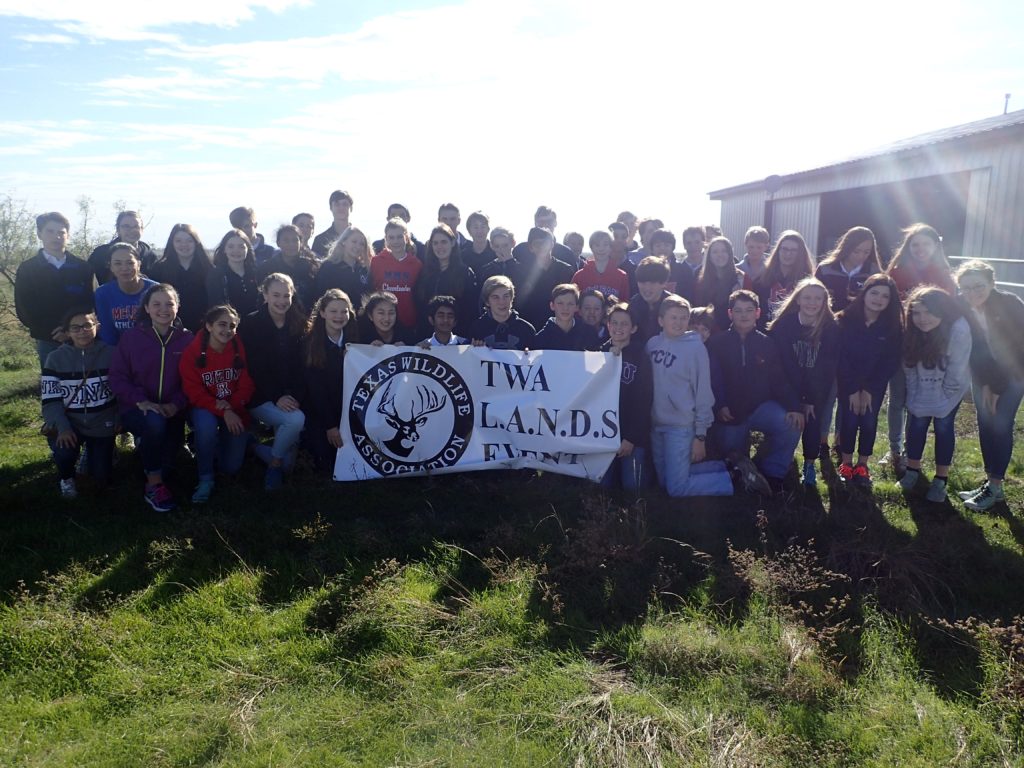
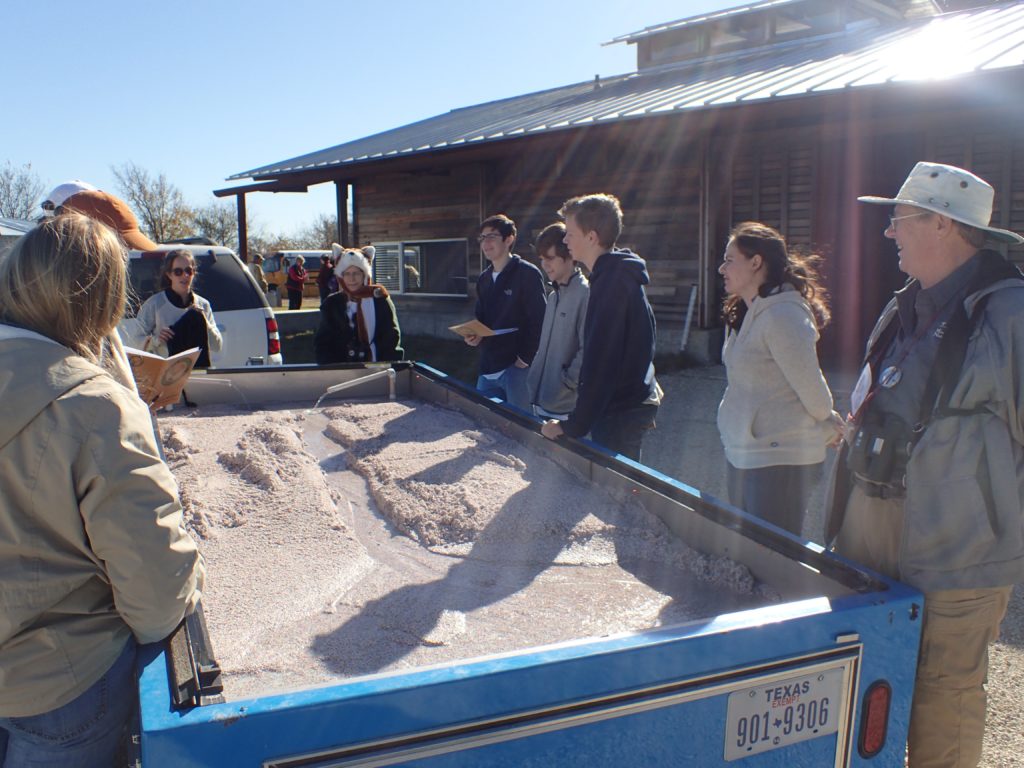
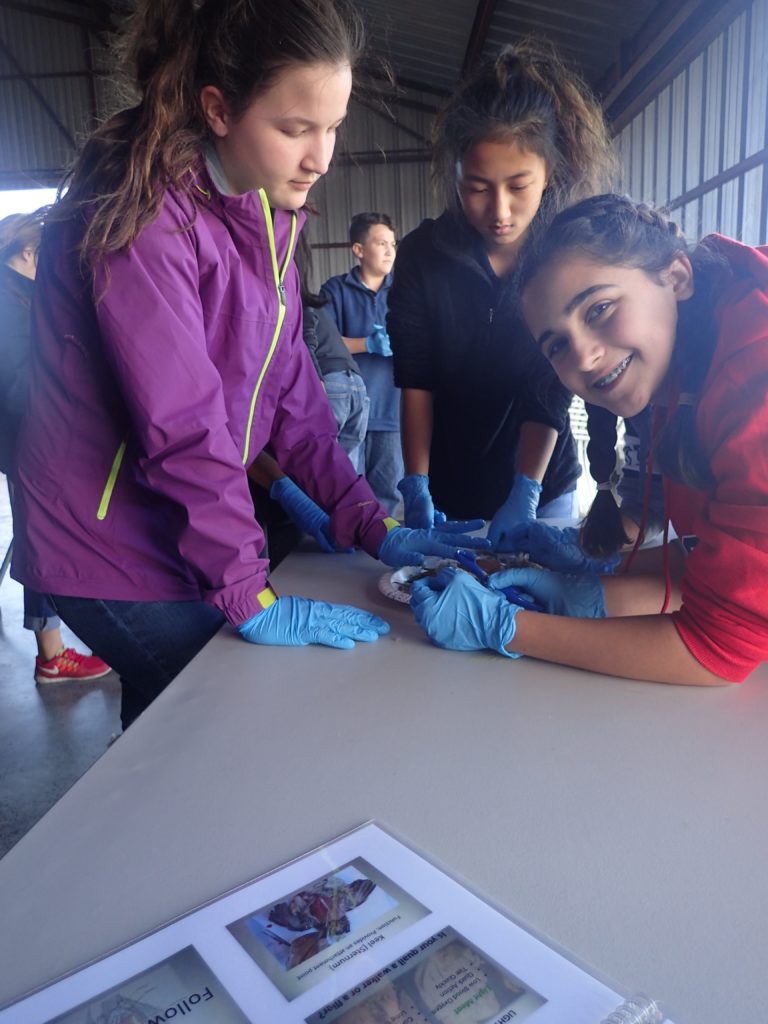
“Being a [volunteer] for KOL is the hardest work I have ever loved. Because of this experience many of these students will never look at their world in quite the same way. It is humbling, awesome and a joy to witness the impact one day in nature can have on a child.”—Karen McGinnis, Kids On the Land volunteer

“Teaching students in the Kids on the Land program connects them to their sense of place and the world they live in. It touches their souls and connects them to real world learning in a meaningful life changing way.” —Kathy Cash, Kids On the Land volunteer

“Best day of school ever!” —Charles, Briscoe 3rd grader

Josey Institute hosts climate change dialogue

The Josey Institute for Agroecology at North Central Texas College in Gainesville is hosting a community dialogue about climate change on Sept. 17.

“People are naturally attuned to short-term thoughts and actions, while global climate conditions require long-term strategies,” said Dr. Lisa Bellows, director of the Josey Institute. “Education from a local to global perspective is imperative to ensuring sustainability.”

The institute was created through a grant from the Dixon Water Foundation last year.

Special guest Pat Hoerth, an advocate for sustainable agriculture and a published author, will join the community in this conversation. Hoerth is the director of Turtle Rock Farm, a farm in Red Rock, Okla., dedicated to modeling sustainable practices in living and farming.

Fore more information on the event, read this article in the Gainesville Daily Register or on News 12 KXII.

North Texas Land Scholars application deadline July 1

North Texas Land Scholars is a five-day leadership camp that fosters a passion for land stewardship through hands-on activities like hunter safety, plant and insect collections, quail habitat analysis and dissections, and much more. A partner of the Dixon Water Foundation, UNT Quail created this program to encourage youth to become responsible leaders and land stewards, and ultimately to restore the ranch and wildlife legacy of Texas. The application deadline is July 1, and the 2015 camp runs July 26-31 at Camp Grady Spruce. Financial assistance is available, and scholarships are awarded during the camp. For more information and an application, visit the North Texas Land Scholars website. 

Hickory Creek Watershed workshop in Denton May 21

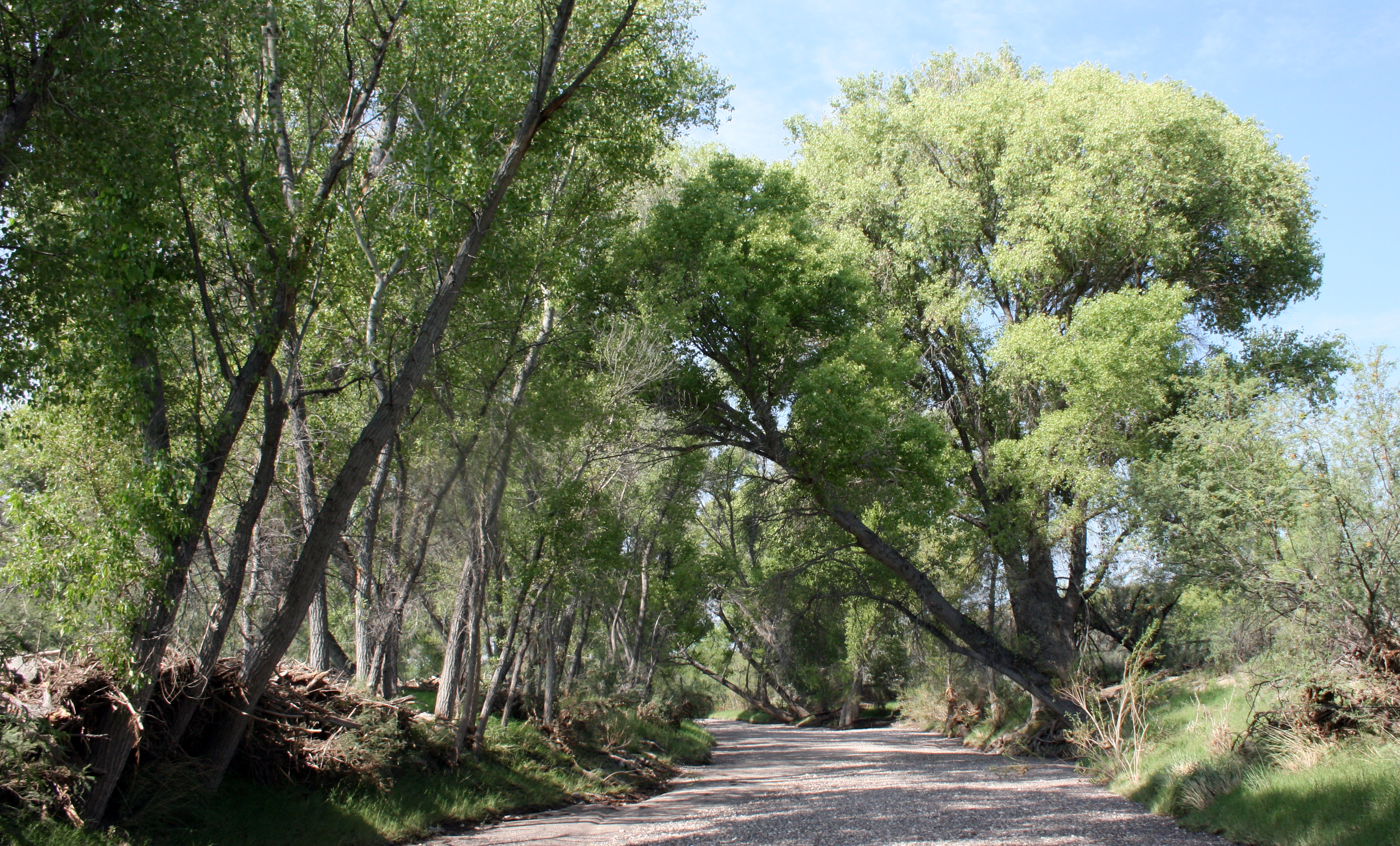
A Texas Riparian and Stream Ecosystem Workshop in the Hickory Creek Watershed will be held on May 21 in Denton. The training will focus on the nature and function of stream and riparian zones and the benefits and direct impacts from healthy riparian zones. This workshop is supported in part by a grant from the Dixon Water Foundation and is being co-hosted by the City of Denton and the Upper Trinity Conservation Trust. Learn more about this program and similar riparian workshops on the Texas Riparian Association’s website. RSVP required by May 15.

Walt Davis on educating ranch managers

Walt Davis, a fifth-generation rancher and Dixon Water Foundation board member, was recently asked what should be included in a ranch management curriculum. The foundation supports sustainable ranching programs at Sul Ross State University and North Central Texas College, which are training a new generation land stewards who should understand the concepts Mr. Davis stated so well:

“The first bit of knowledge that I would suggest as critical to ranch managers is that all agriculture— ranching included—is a biological, rather than an industrial, process. The ranch most likely to be both profitable and sustainable will be the one that best mimics the complex web of relationships between soils, vegetation, grazers and predators that nature has used to create the productive and stable grassland communities that existed in various parts of the world prior to human intervention.

This program of natural management evolved over eons of time and is based in the fact that anything that is detrimental—in the long run—to any part of a functioning system is harmful to the entire system. It does not produce the most pounds per acre of animal life or the most pounds of grass, but rather a system that is highly resilient and effective in converting solar energy into biological energy over long periods of time.

The closer we can keep our management to this model, the more apt we are to build ranches that are ecologically, financially and sociologically sound. The major difference should be that humans assume the role of primary predator. This allows humans to benefit—take subsistence and create wealth—but it also means that we must take on the functions performed by predators: control numbers to suit conditions (set stocking rates); prevent abusive grazing (keep animals concentrated and moving); and maintain genetic fitness in the grazing animals by selection and culling.

A second concept of value would be the importance of biodiversity in improving the health of soils, plants, animals and bank accounts. Every type of organism has needs and the abilities to provide for those needs that are different from those of even its closest relatives. Having a broad range of healthy populations—made up of healthy individuals—of different kinds of organisms insures that no one species increases in number to pest status and that the resources of sunlight, water, mineral nutrients and space are fully utilized with none being over-utilized. Weeds and brush proliferate because the local environment is degraded and ecological niches are not being filled. Most weed and brush control methods make the situation worse by further simplifying the environment. We should manage for what we want; not against what we don’t want.

Stockmanship is a skill of vast importance that is woefully lacking on many ranches. We create most animal health problems by stressing the animals.

Finally, the importance of and the rationale behind planned, time-controlled grazing. This must include getting in sync with the realities of climate, vegetation, water, and the use of adapted animals. Basic to successful grazing management is an understanding of the relationships between grasslands and grazing animals and that proper grazing builds grassland health.

Many of the problems of ranching originated with the shift of emphasis from husbandry to science. We must use science to understand nature, but it is a mistake to attempt to use science to control nature. There is a severe shortage of people who understand that we must promote the health of the whole animal-plant-soil-human-wealth complex we call a ranch, in order to create profitable and sustainable operations.”

Walt Davis writes regular columns for the Farm Progress family of magazines and other publications. He has published two books: How to Not Go Broke Ranching and A Gathering At Oak Creek and has three others under way. You can learn more about his work at waltdavisranch.com.