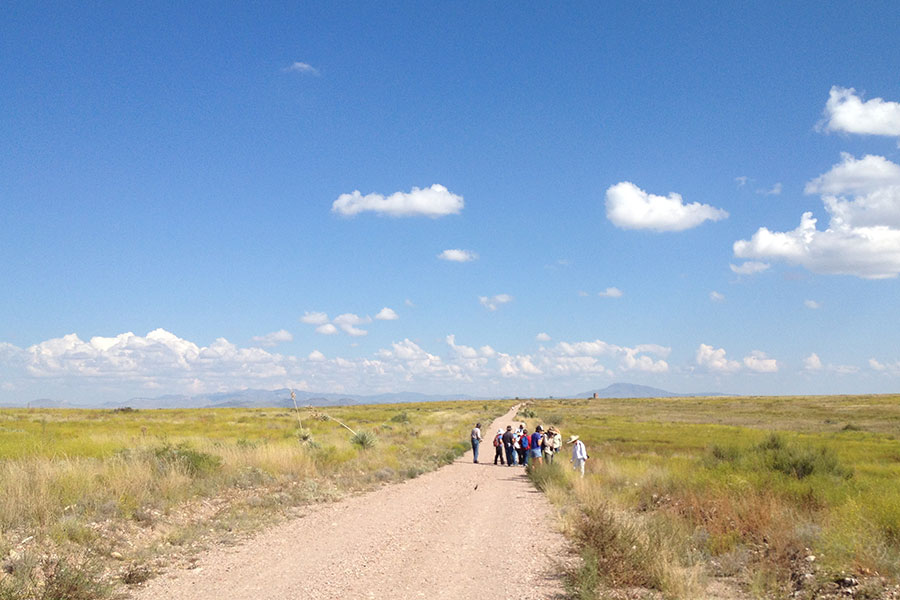
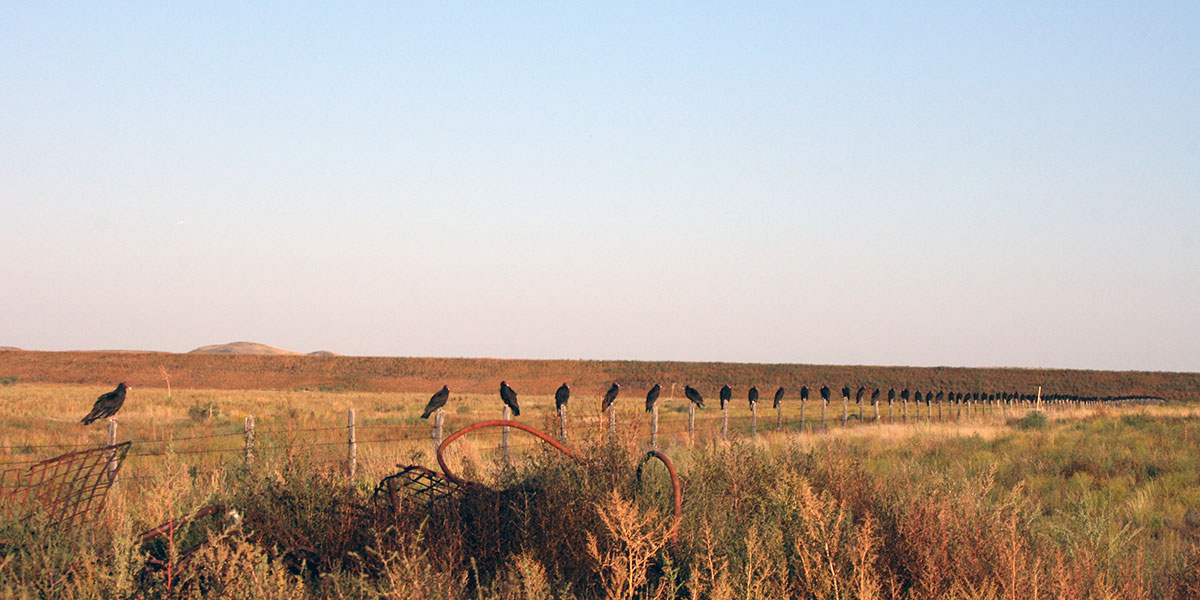
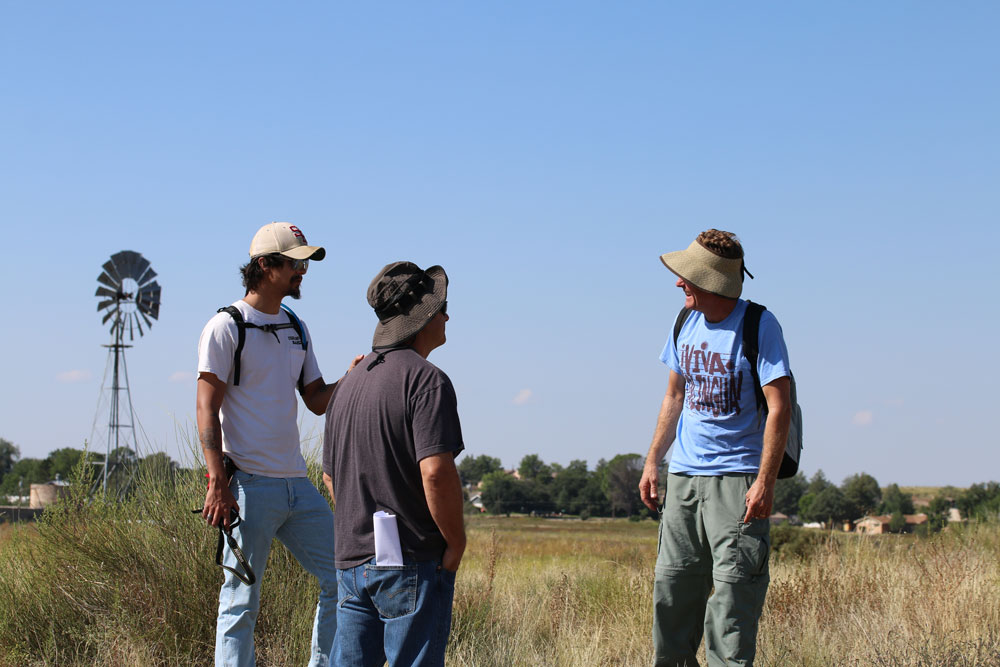
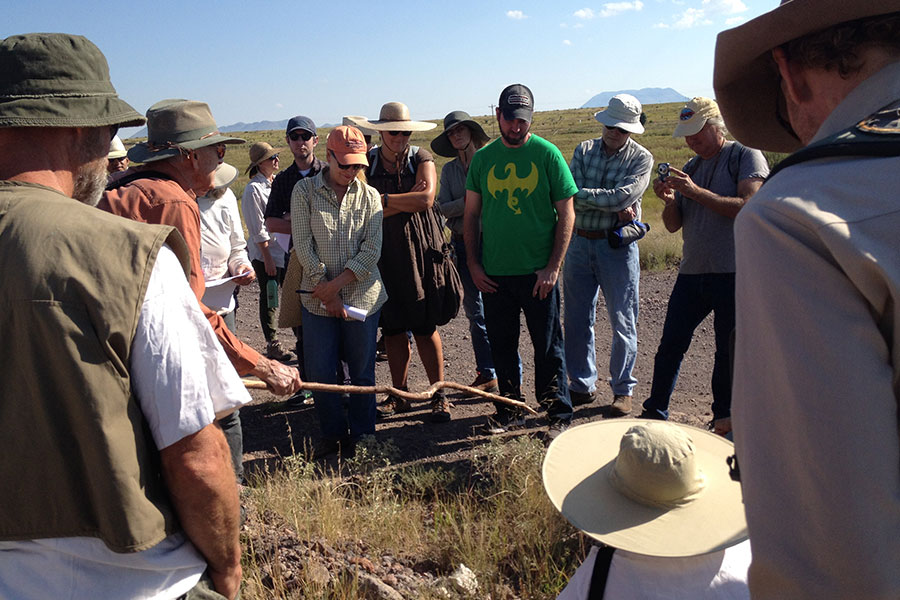
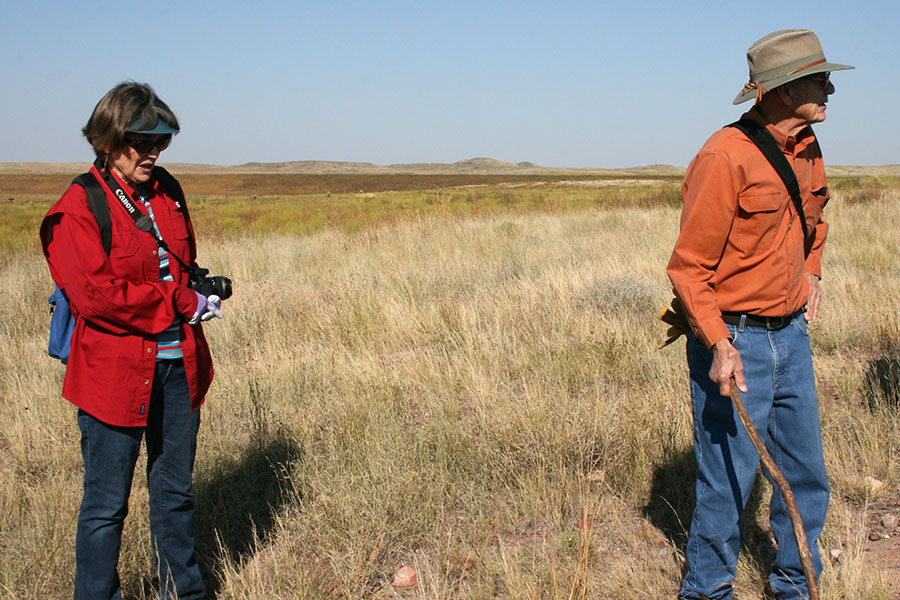
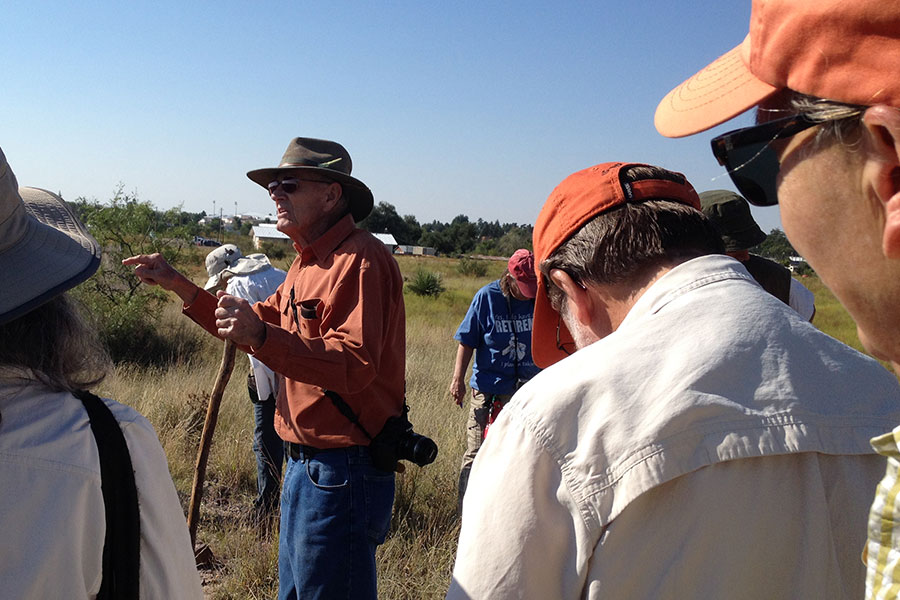
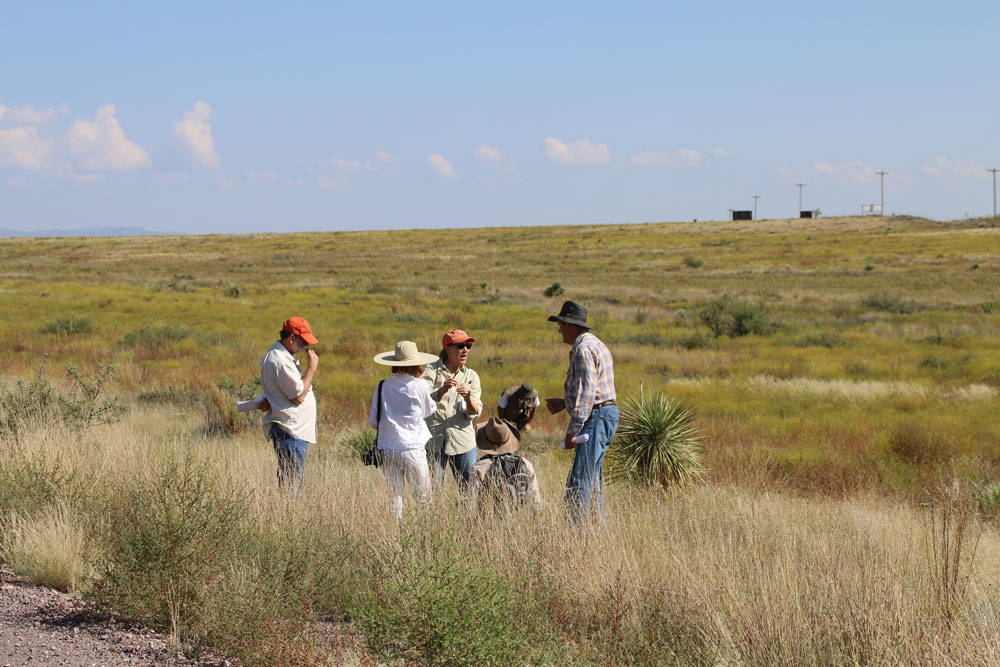
“Being a [volunteer] for KOL is the hardest work I have ever loved. Because of this experience many of these students will never look at their world in quite the same way. It is humbling, awesome and a joy to witness the impact one day in nature can have on a child.”—Karen McGinnis, Kids On the Land volunteer

“Teaching students in the Kids on the Land program connects them to their sense of place and the world they live in. It touches their souls and connects them to real world learning in a meaningful life changing way.” —Kathy Cash, Kids On the Land volunteer

“Best day of school ever!” —Charles, Briscoe 3rd grader

Josey Institute hosts climate change dialogue

The Josey Institute for Agroecology at North Central Texas College in Gainesville is hosting a community dialogue about climate change on Sept. 17.

“People are naturally attuned to short-term thoughts and actions, while global climate conditions require long-term strategies,” said Dr. Lisa Bellows, director of the Josey Institute. “Education from a local to global perspective is imperative to ensuring sustainability.”

The institute was created through a grant from the Dixon Water Foundation last year.

Special guest Pat Hoerth, an advocate for sustainable agriculture and a published author, will join the community in this conversation. Hoerth is the director of Turtle Rock Farm, a farm in Red Rock, Okla., dedicated to modeling sustainable practices in living and farming.

Fore more information on the event, read this article in the Gainesville Daily Register or on News 12 KXII.

Overlook Trail Grand Opening on Sept. 26

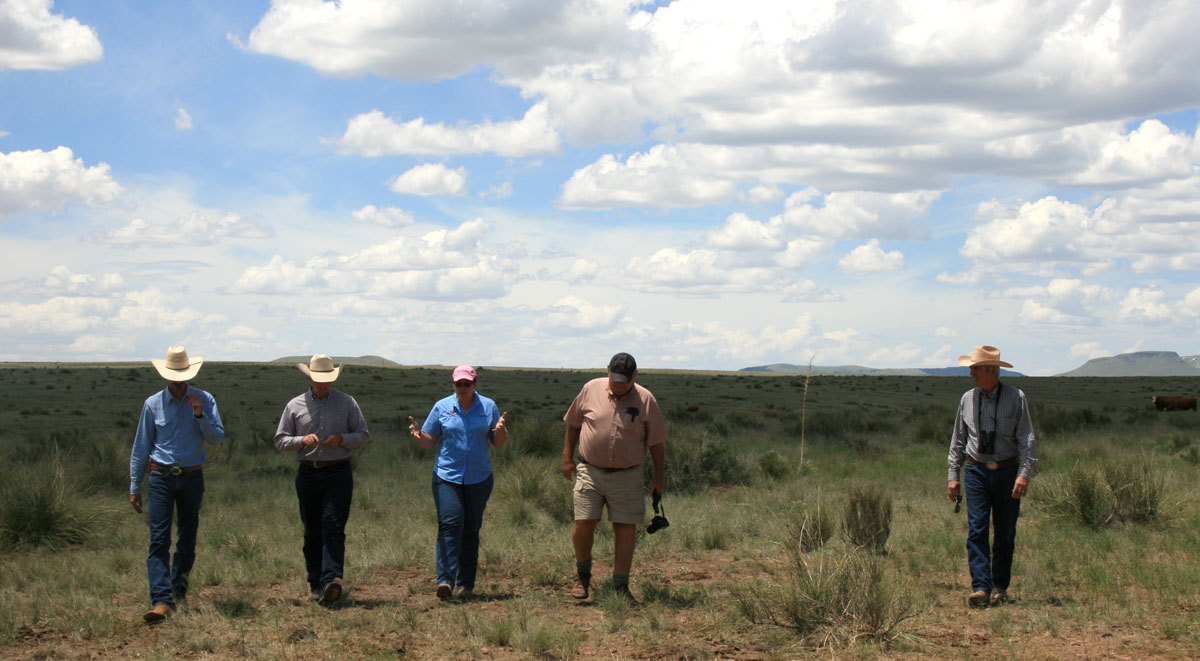
Check out the walking trail at Dixon Ranches Mimms Unit and learn to identify native grasses during the Overlook Trail Grand Opening on September 26 in Marfa.

The opening kicks off at 9:30 am at the ranch headquarters at the north end of Austin Street in Marfa. There will be an introduction to the Dixon Water Foundation’s mission and the grazing methods being used to improve the land and watershed at Dixon Ranches Mimms Unit.

Then at 10 am, Dr. Michael Powell will lead a free grass-identification workshop. Powell is Director of the Herbarium at Sul Ross State University, Distinguished Professor Emeritus of Biology, and author of numerous books and journal articles on plants native to the Chihuahuan Desert Region.

Following the grass workshop, practice your new plant-recognition skills during a group hike to the Overlook viewing area, designed by Marfa’s Joey Benton. Local flora and fauna experts from the Texas Master Naturalists Tierra Grande Chapter will be in the group to answer questions along the way.

There is no cost for the workshop or trail access. Reservations for the grass workshop are requested by September 18. Please submit this online registration form or email media@dixonwater.org.

The 2.5-mile walking trail at Mimms is open during daylight hours and features exhibits about grazing management and the high-desert environment. The trail ends at the Overlook viewing area, where visitors can sit and appreciate spectacular views of the Marfa grasslands and surrounding mountains.

The foundation’s West Texas office and the trailhead are at the north end of Austin Street in Marfa. Please read and respect the guidelines for trail visitors posted at the entrance to the ranch. Dogs must remain leashed. Bicycles, motorized vehicles, camping, and firearms are not permitted.

The Dixon Water Foundation promotes healthy watersheds through sustainable land management to ensure that future generations have the water resources they need. The foundation demonstrates environmentally and economically sound ways to manage rangeland, while producing grass-finished beef, at the four Dixon Ranches in Texas.


bench-lg

Treading West Texas Waters screening on Sept. 12

The Big Bend premier of “Treading West Texas Waters” will be at 7:30pm on Saturday, September 12 at The Crowley Theater in Marfa. This 30-minute documentary by Chris Hillen and Joe Cashiola explores regional water issues and potential pathways forward. Dixon Water Foundation President Robert Potts is featured in the documentary, an original production of Basin PBS. The screening will be followed by a Q&A with Potts and Hillen, who will be joined by Alyson McDonald, Texas A&M AgriLife rangeland hydrology expert, and Kevin Urbanczyk, director of the Rio Grande Research Center and geology professor at Sul Ross State University.

Josey Pavilion beats hot summers without A/C

Inhabitat features the Josey Pavilion in a new article, “Solar-powered Josey Pavilion beats wicked hot Texas summers without air-conditioning,” by Lucy Wang:

One of Texas’ most eco-friendly structures is nestled in an unassuming native prairie landscape near Decatur. Named the Betty and Clint Josey Pavilion, the self-sufficient building promotes sustainable land management through education and demonstration. The 5,400-square foot open-air pavilion is 100 percent powered by solar, uses zero air conditioning, harvests rainwater, and treats all wastewater on-site. San Antonio-based firm Lake|Flato Architects designed the award-winning pavilion to meet the standards of the Living Building Challenge, a sustainable building certification system more rigorous than LEED or BREEAM.

Read more: Solar-powered Josey Pavilion beats wicked hot Texas summers without air-conditioning | Inhabitat – Sustainable Design Innovation, Eco Architecture, Green Building

Ian Mitchell-Innes at Mimms Unit

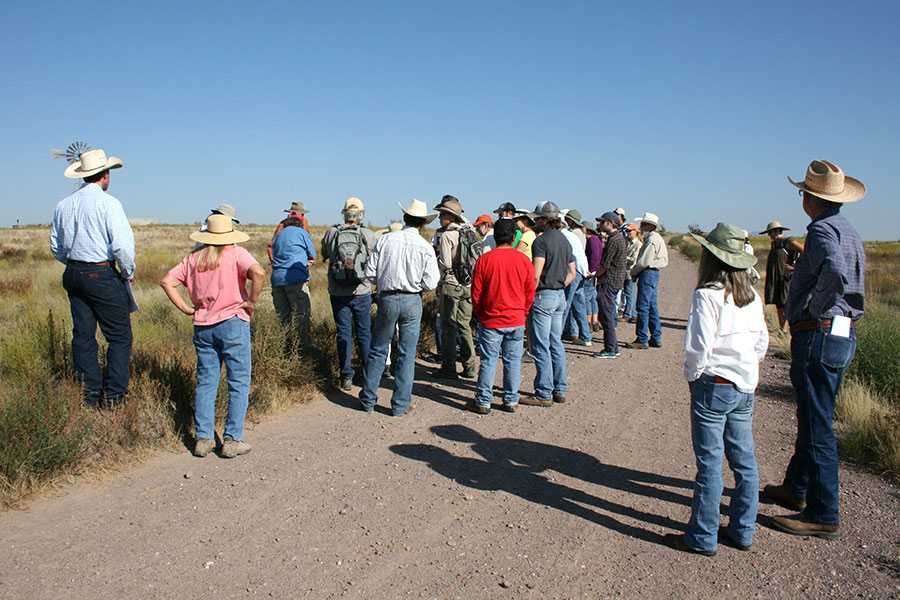
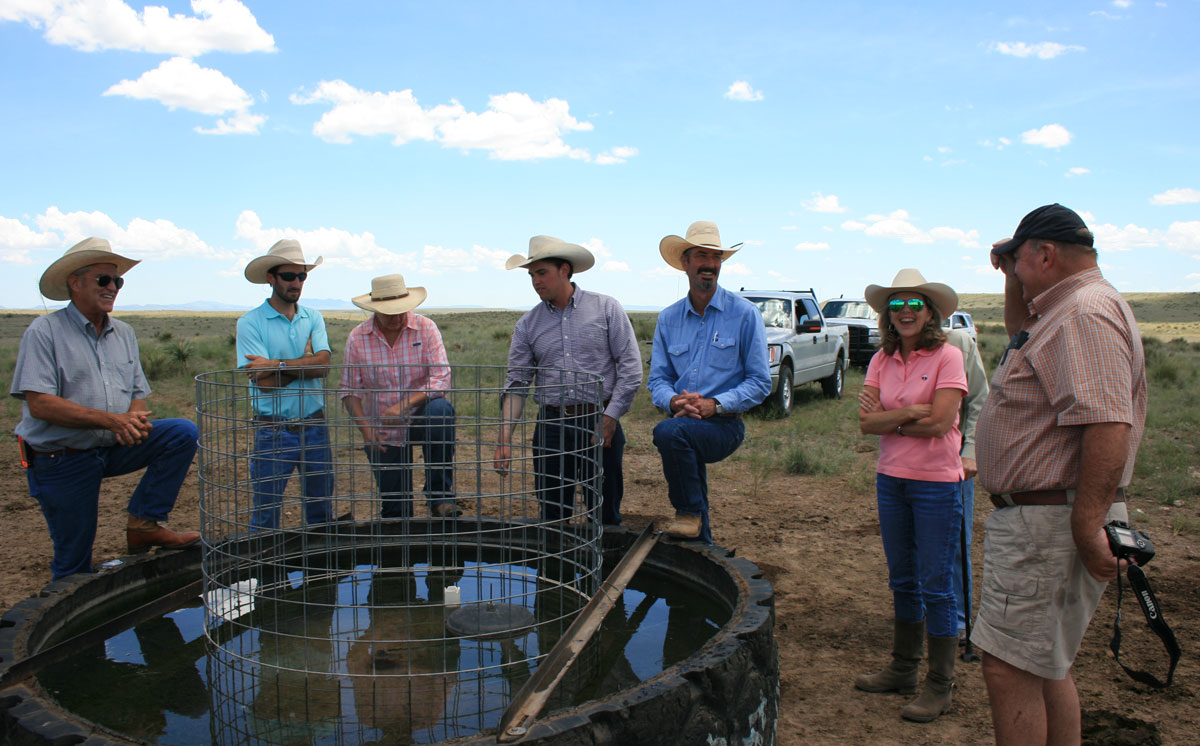
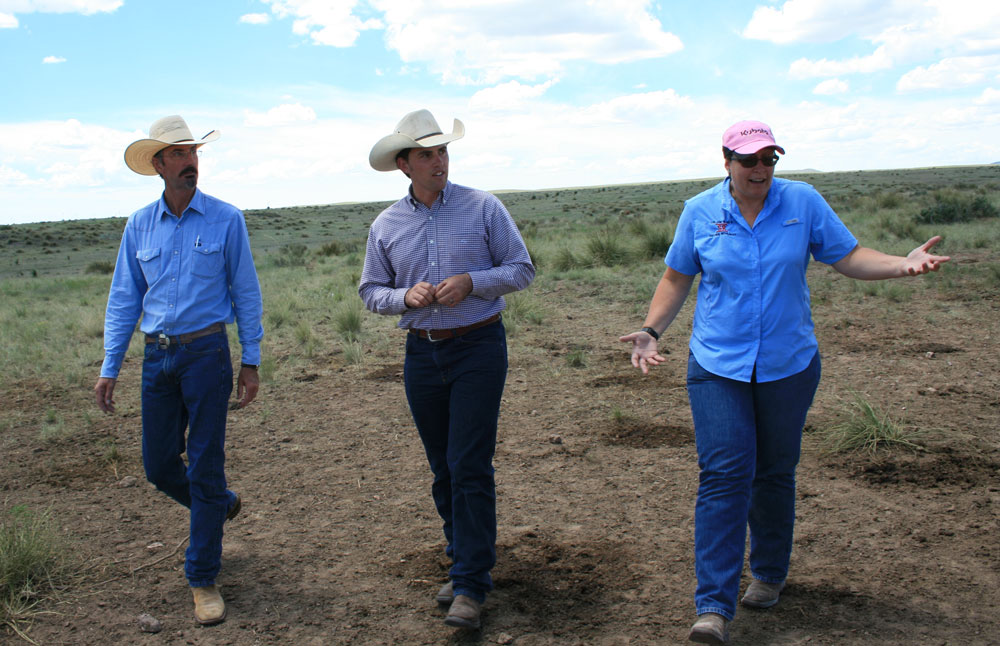
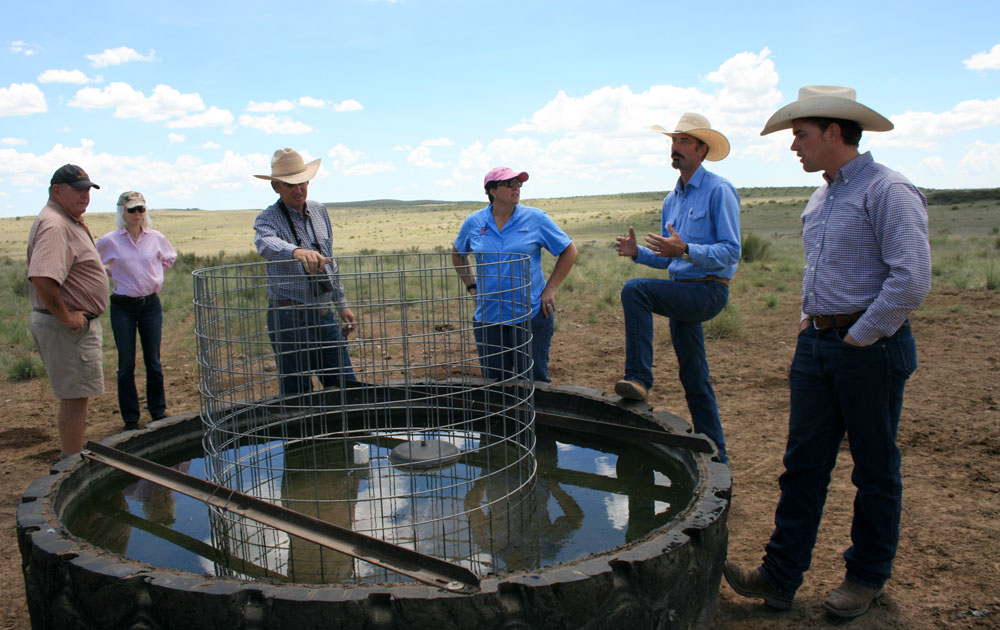
Ian Mitchell-Innes, Holistic Management Educator and mob-grazing expert, held a workshop with Dixon Ranches staff, board of directors, and advisory board members at Mimms Unit in July. The South African rancher discussed grazing strategies, animal performance, and other topics.  


You can learn more about many of the principles and practices he covered in this online presentation, Ranching in Sync with Nature:

Ian Mitchell-Innes Ranching in Sync with Nature from ffbroadwell

Grant for soil microbe research in the news

Hardin-Simmons University researchers recently received a Dixon Water Foundation grant to explore how land management affects the subterranean world of soil microbes on a Runnels County ranch. Learn more in this article from Ballinger News and the video below from Abilene Fox affiliate KXVA. KRBC meteorologist Scott Cook also featured the research project on Abilene’s NBC affiliate.

Grantee examines soil microbes

ABILENE—Under every farm and ranch around Abilene, a universe of microorganisms is toiling in the soil. Hardin-Simmons University researchers recently received a Dixon Water Foundation grant to explore how land management affects this subterranean world on a Runnels County ranch.

Karissa Olson, Isaiah Longoria, and Michael Flud collecting soil samples from the wildlife pasture at Newman Ranch. (Photo by Marla Potess)

Hardin-Simmons University students Karissa Olson, Isaiah Longoria, and Michael Flud collecting soil samples from the wildlife pasture at Newman Ranch. Photo by Marla Potess

“Our food, our water resources, and many other ecosystem services start with soil,” said Marla Potess, an HSU environmental science professor leading the research. “Over the last 100 years, we’ve been really hard on our soils. Even with good, scientifically based management, soils are degrading, and many ecosystems are moving from highly productive to less productive. So I’m very interested in managing soils to improve microbial biodiversity, which may impact water retention and plant biodiversity and productivity.”

In what they hope will become a long-term study, Potess and HSU biology professor Jennifer Hennigan are examining soil microorganisms on the Newman Ranch in Runnels County, about 40 miles south of Abilene. HSU professor emeritus and trustee George Newman invited the university to use his ranches as outdoor laboratories and created an endowment to fund research on his family property.

HSU environmental science students Karissa Olson, Michael Flud, Isaiah Longoria with professor emeritus Dr. George Newman and a weather station at Newman Ranch. (Photo by Marla Potess)

HSU environmental science students with professor emeritus Dr. George Newman by the weather station at Newman Ranch. Photo by Marla Potess

“For the past 40 years, as time and finances have allowed, I have been converting my cropland back into native grassland,” Newman said. “I feel that my philosophy of land stewardship closely mirrors that of the Dixon Water Foundation and I am very appreciative of their support for this program.”

The Newman Ranch study sites have the same soil type but have been managed very differently, Potess explained. For example, one site is a cultivated hay grazer field, while another is being restored to native prairie grasses. Potess and Hennigan are looking for differences in the soil microbial communities at each site, which they eventually hope to correlate with different management techniques used in each pasture.

HSU students have been actively involved in the research, collecting and analyzing soil samples and drafting research proposals related to the project. The Dixon Water Foundation grant will fund DNA sequencing that will provide a snapshot of the microbial diversity at each study site.

A soil core sample. Photo by Marla Potess

The Dixon Water Foundation grant will be used to analyze DNA from soil core samples collected earlier this year. Photo by Marla Potess


“It’s exciting for students to participate in a project that’s asking really important questions and filling in real information gaps,” says Potess. “The preliminary data this spring indicates we’re on the right track, so we’re really excited to see what we find this summer when the DNA is extracted and processed.”

Ultimately this research could help farmers and ranchers better understand how their actions aboveground affect the microscopic world underground.

“The hypothesis is if soils have diverse, healthy microorganisms, they can hold more water,” Potess said. “And that has important implications for drought resistance for crops and restoring grasslands.”

Those implications helped attract support from the Dixon Water Foundation, which promotes healthy watersheds through sustainable land management. The foundation funds research and education projects tied to this mission and demonstrates sustainable grazing management on its four ranches in North and West Texas.

“We hope this research will help farmers and ranchers improve the economic productivity of their land by building healthier soils and healthier watersheds,” said Robert Potts, the foundation’s president and CEO.

North Texas Land Scholars application deadline July 1

North Texas Land Scholars is a five-day leadership camp that fosters a passion for land stewardship through hands-on activities like hunter safety, plant and insect collections, quail habitat analysis and dissections, and much more. A partner of the Dixon Water Foundation, UNT Quail created this program to encourage youth to become responsible leaders and land stewards, and ultimately to restore the ranch and wildlife legacy of Texas. The application deadline is July 1, and the 2015 camp runs July 26-31 at Camp Grady Spruce. Financial assistance is available, and scholarships are awarded during the camp. For more information and an application, visit the North Texas Land Scholars website.