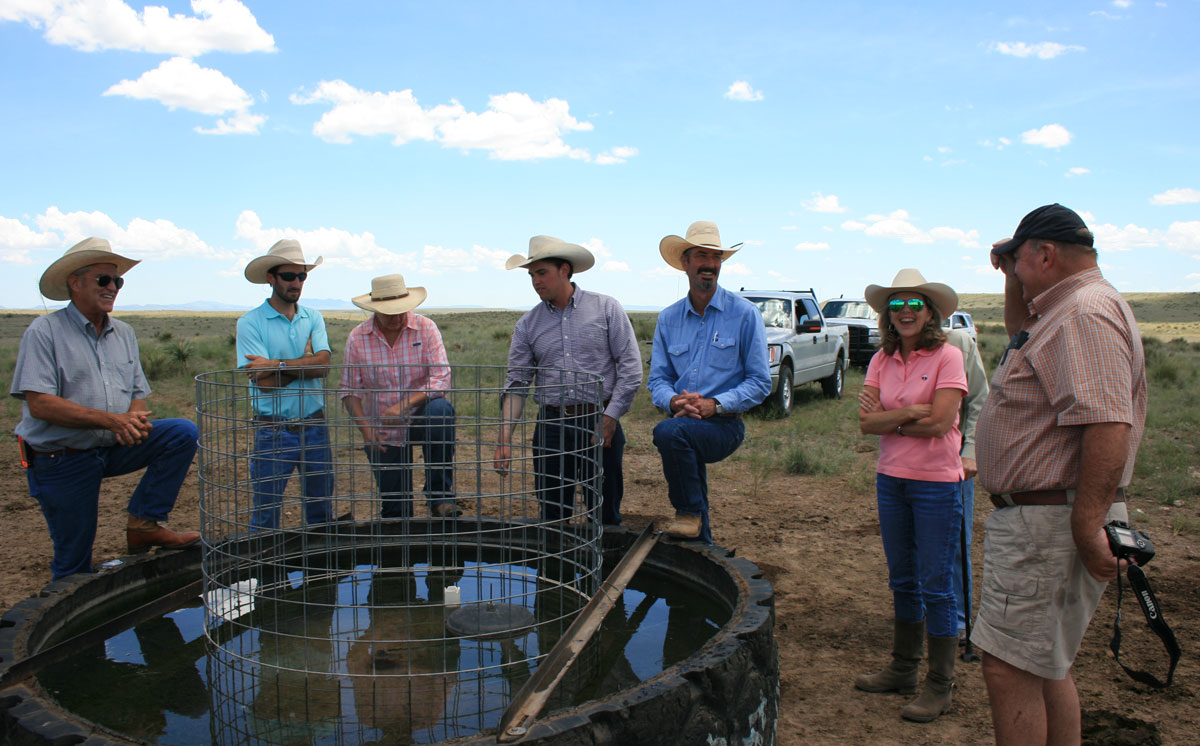
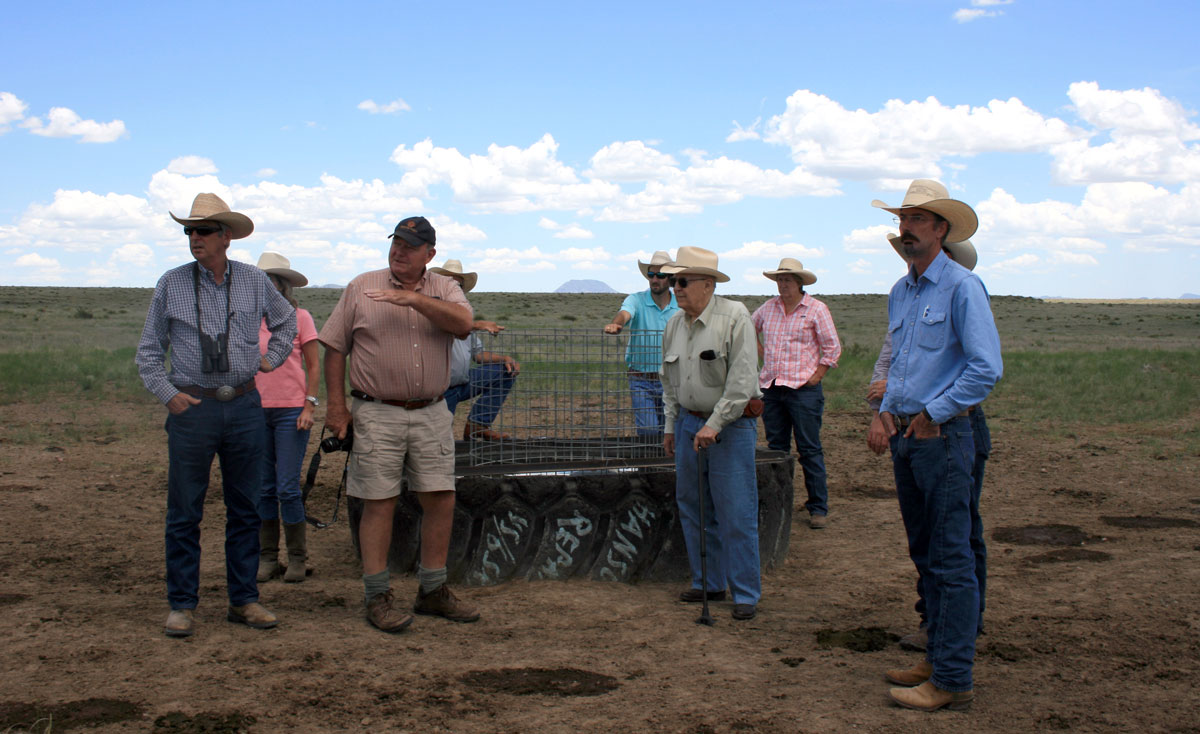
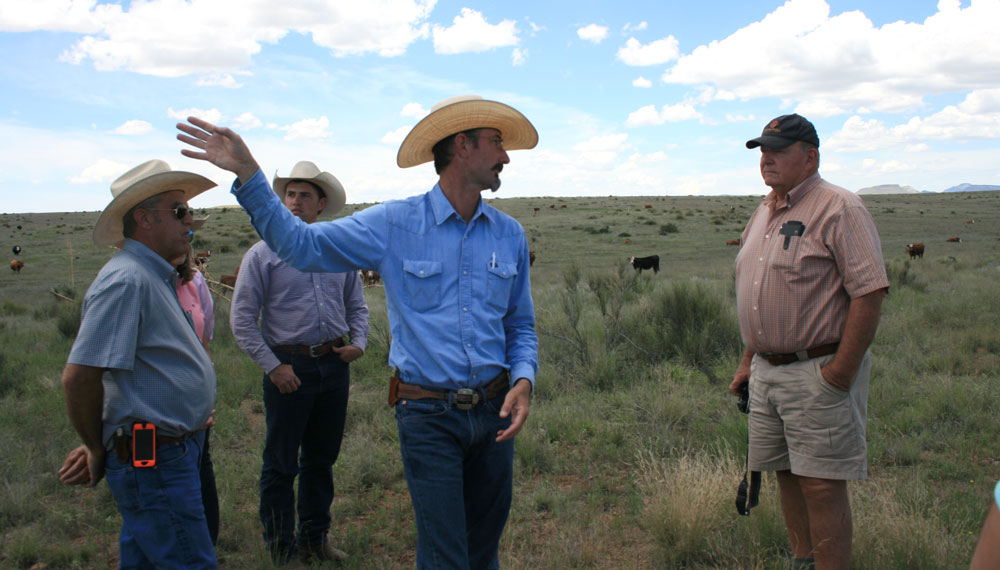
The state’s top land conservation award typically goes to a private ranch, but this year the honoree is the Dixon Water Foundation, a North Texas-based nonprofit which manages not one, but six different ranches, all of them devoted to demonstrating how good land management using cattle grazing can lead to more and better water for people and wildlife.
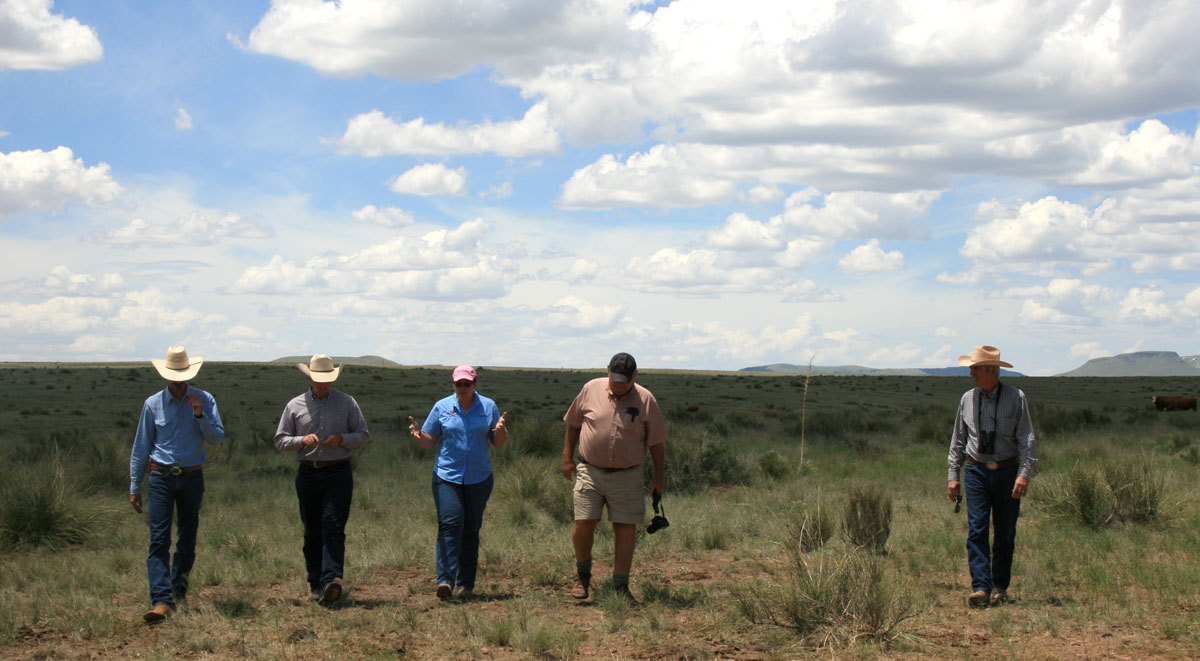
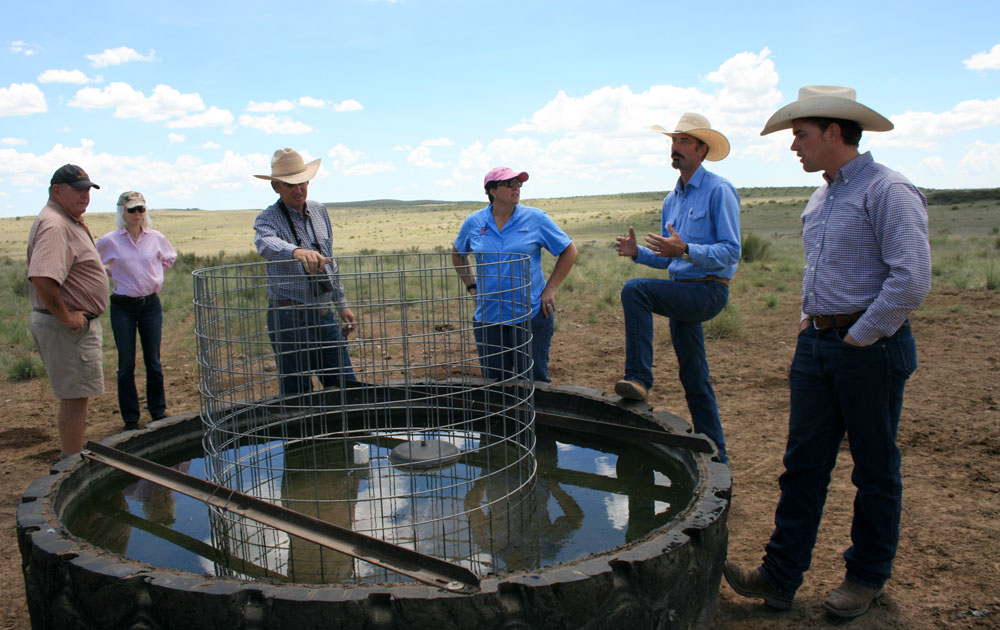
Founded in 1994 by the late Roger Dixon, the Dixon Water Foundation promotes healthy watersheds and sequestration of carbon through regenerative land management to ensure that present and future generations of Texans have the water resources they need. In 2005, the foundation acquired the Bear Creek Ranch in Parker County west of Fort Worth. In 2008, they went west to try their approach in drier soils, acquiring the Mimms Ranch near Marfa. Today the foundation operates six ranches totaling 21,960 acres. Each one utilizes a high intensity/low duration holistic grazing system which mimics the natural effect of large herds of bison which used to migrate through Texas.
On May 18, the foundation received $10,000 along with a Leopold Conservation Award crystal at the 22nd Lone Star Land Steward Awards dinner in Austin. This award is given in honor of renowned conservationist Aldo Leopold, and conferred each year by Sand County Foundation, a nonprofit organization devoted to private land conservation, in partnership with the Texas Parks and Wildlife Department. In Texas, the Leopold Conservation Award program is sponsored by the Lee and Ramona Bass Foundation.
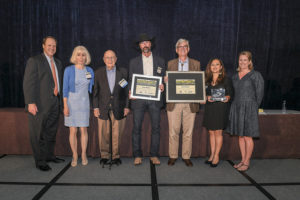
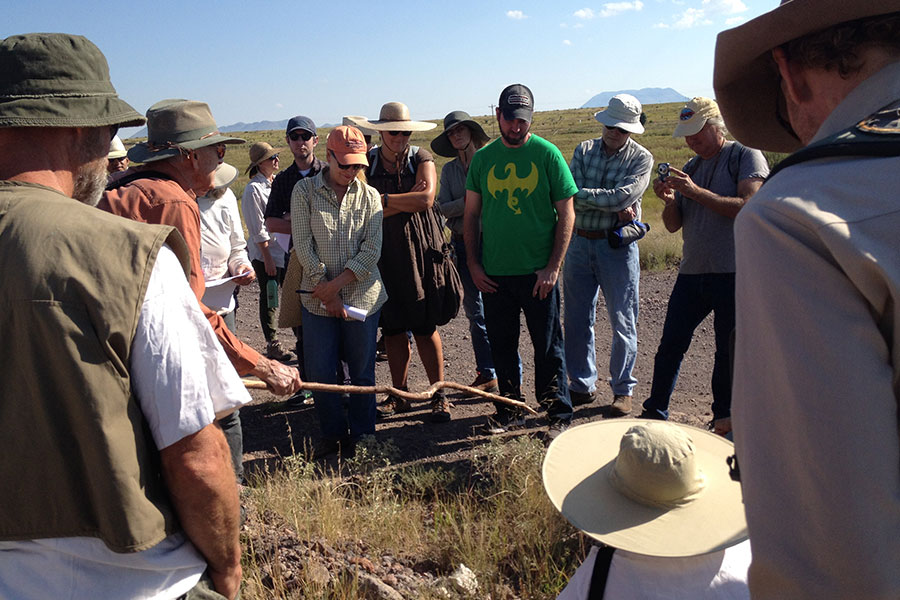
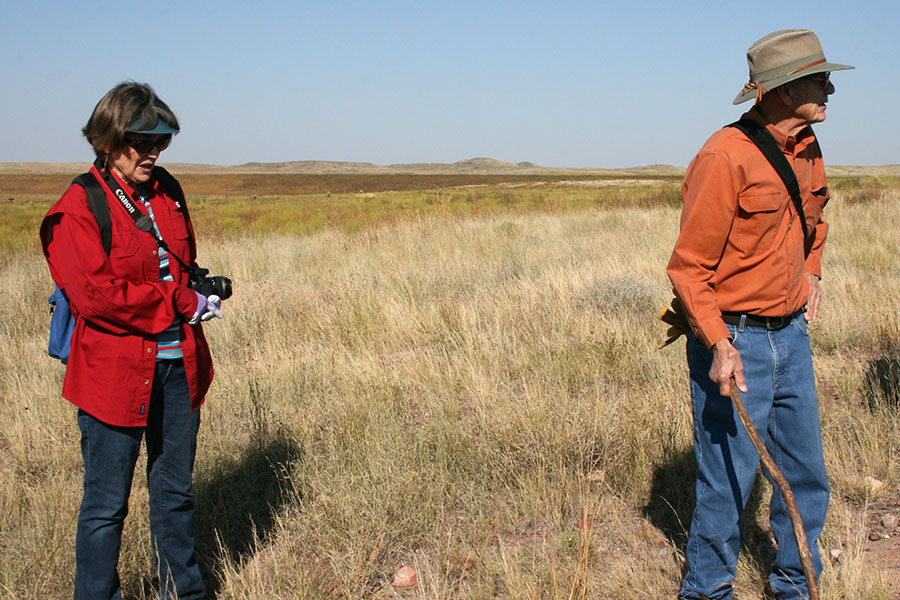
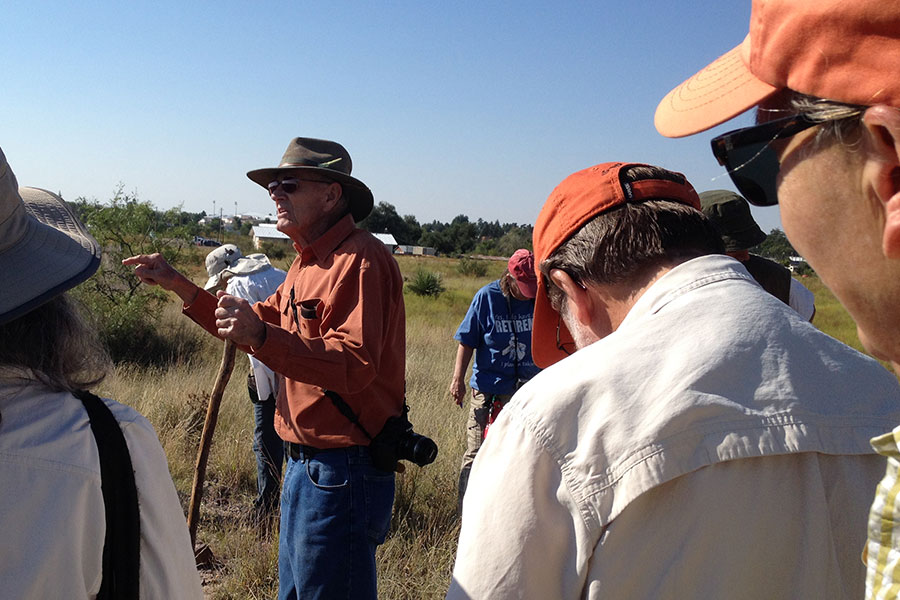
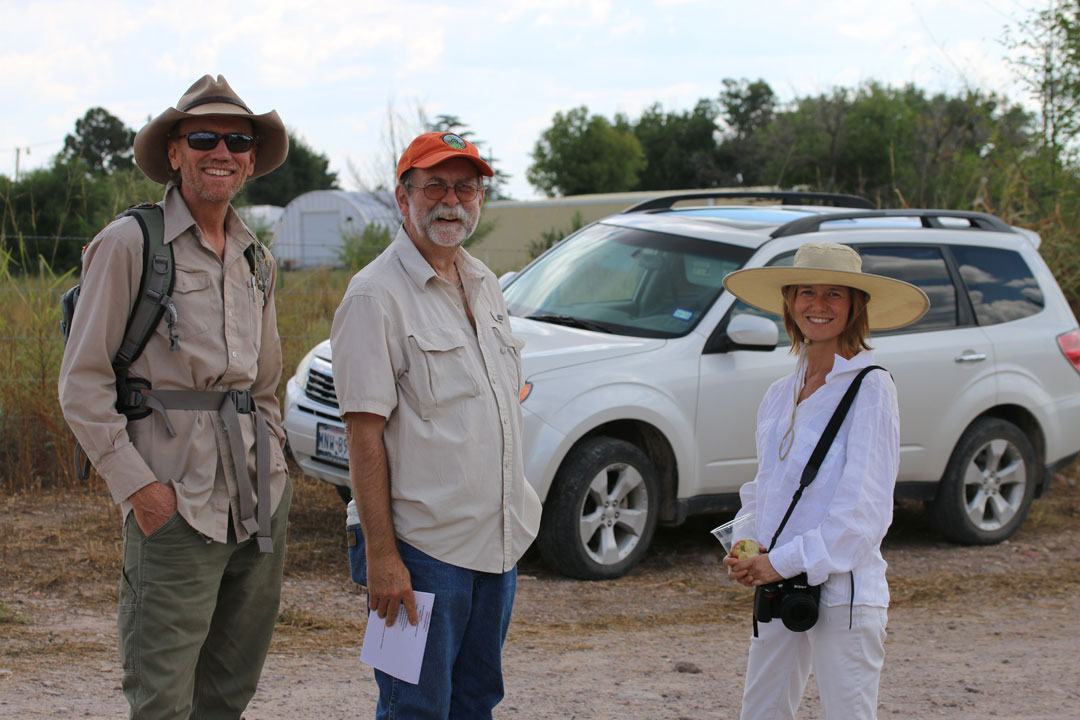
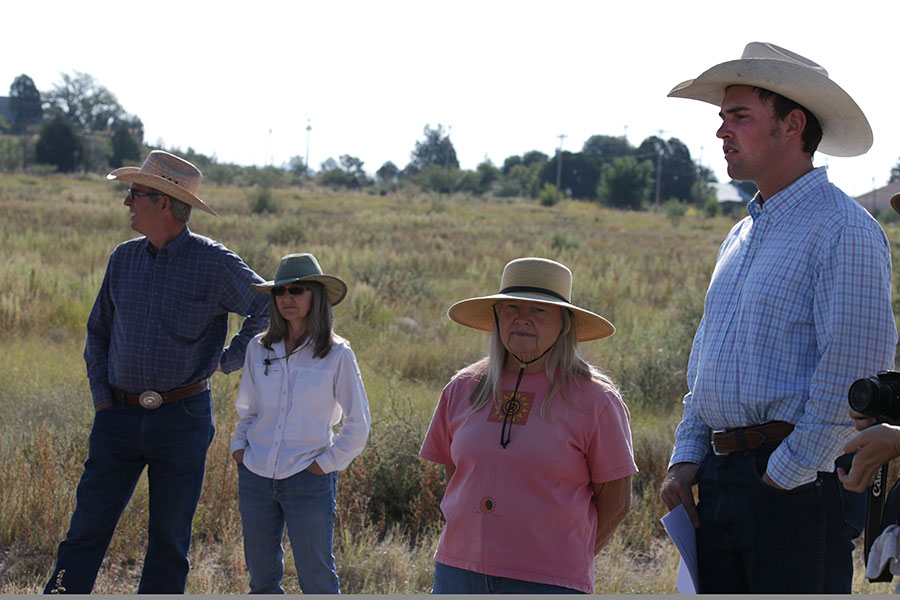
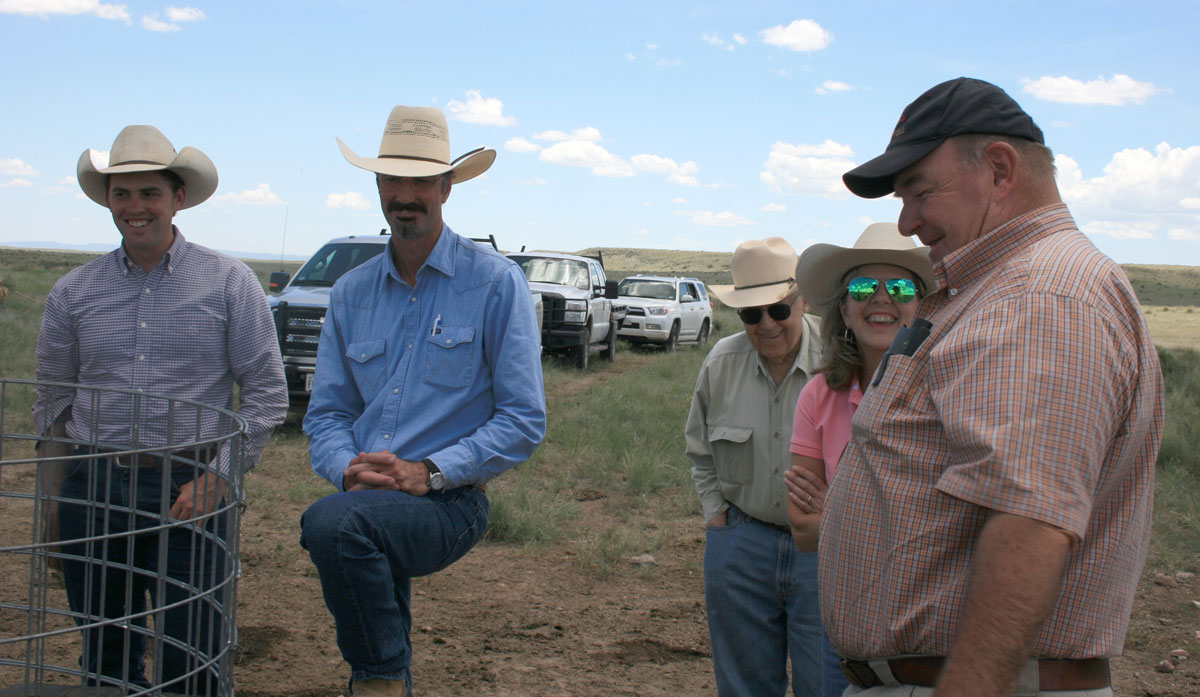
Photo by Texas Parks and Wildlife Dept.
Since 1996, Texas Parks and Wildlife Department has hosted the Lone Star Land Steward Awards to recognize private landowners for habitat management and wildlife conservation. In addition to the statewide Leopold award, multiple eco-region recipients are acknowledged in various parts of the state.
A primary purpose of the award is to elevate outstanding landowners who can serve as a positive example to other ranchers and landowners, and to demonstrate how good land management practices can be both profitable and ecologically sustainable.
“Even though they’re a nonprofit, the Dixon Water Foundation always makes management decisions with the bottom line in mind,” said Justin Dreibelbis, who leads TPWD’s private lands conservation efforts. “If their ranches don’t pay for themselves, the demonstration won’t apply to other landowners.”
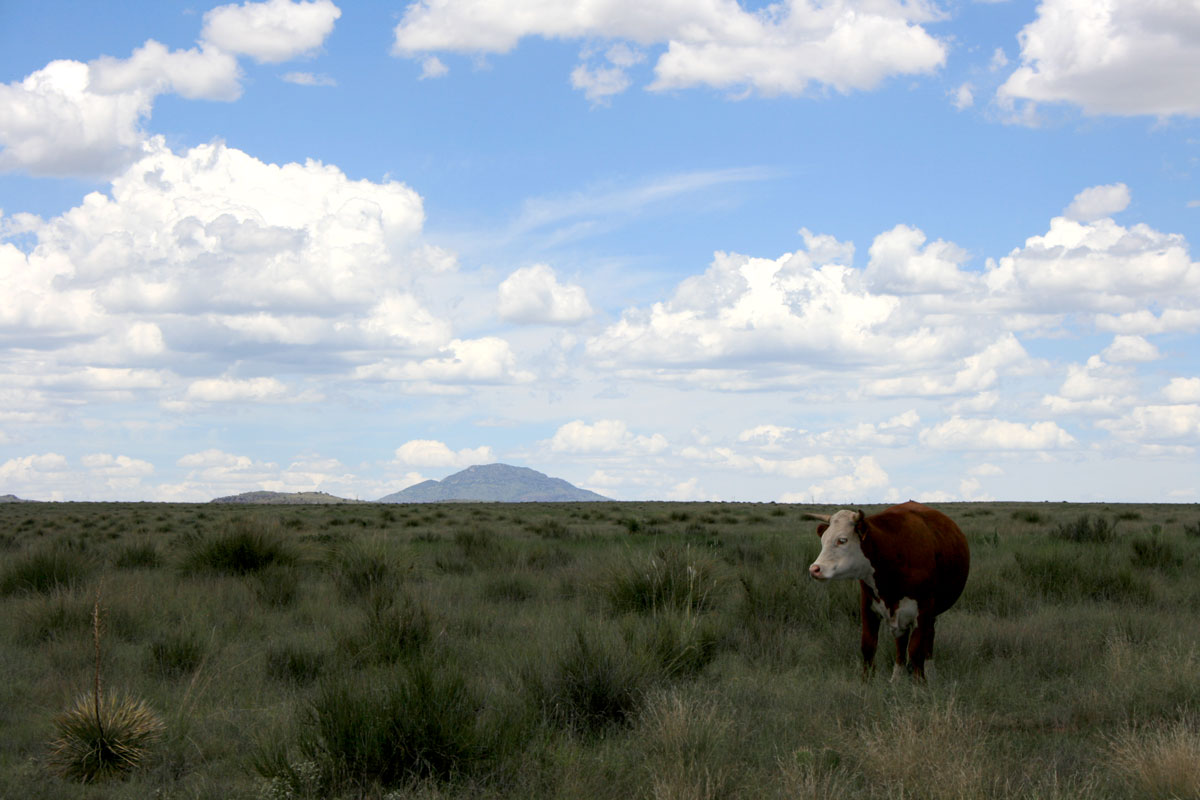
And the foundation has demonstrated decades of results, using only one tool: cattle.
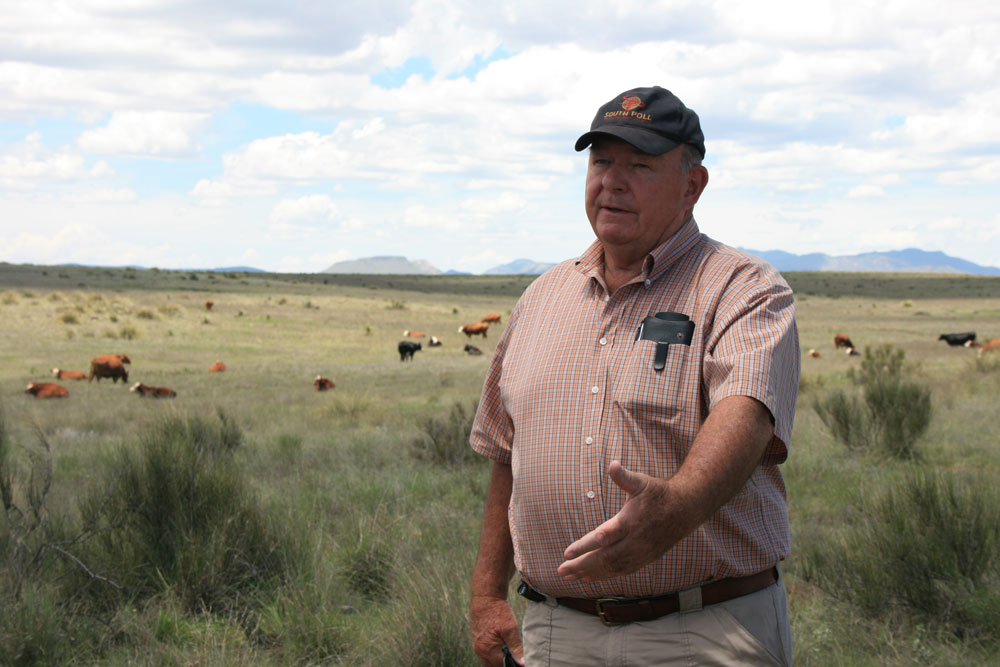
“The only tool that we use is cattle, because that’s the tool that’s on the landscape; that’s what most landowners across Texas are using,” said Robert Potts, foundation president. “If you’re ranching for the long-term, this is the way to build the wealth in the land. This is going to be a much more profitable way, we believe, to run a ranch. Because you’re not mining the soil, you’re building the soil. That makes it more resilient during drought, and makes it more productive when you do get rain.”
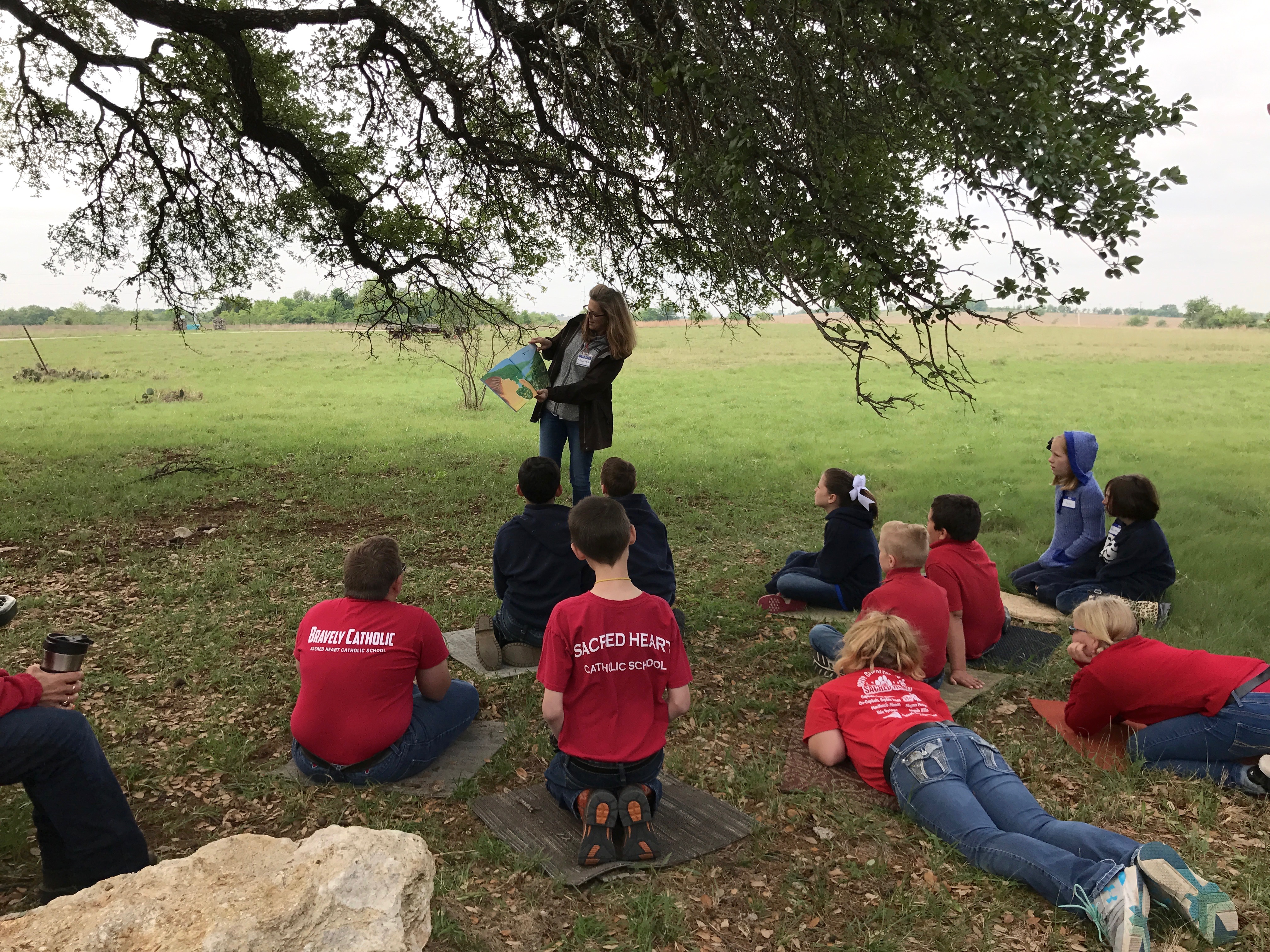
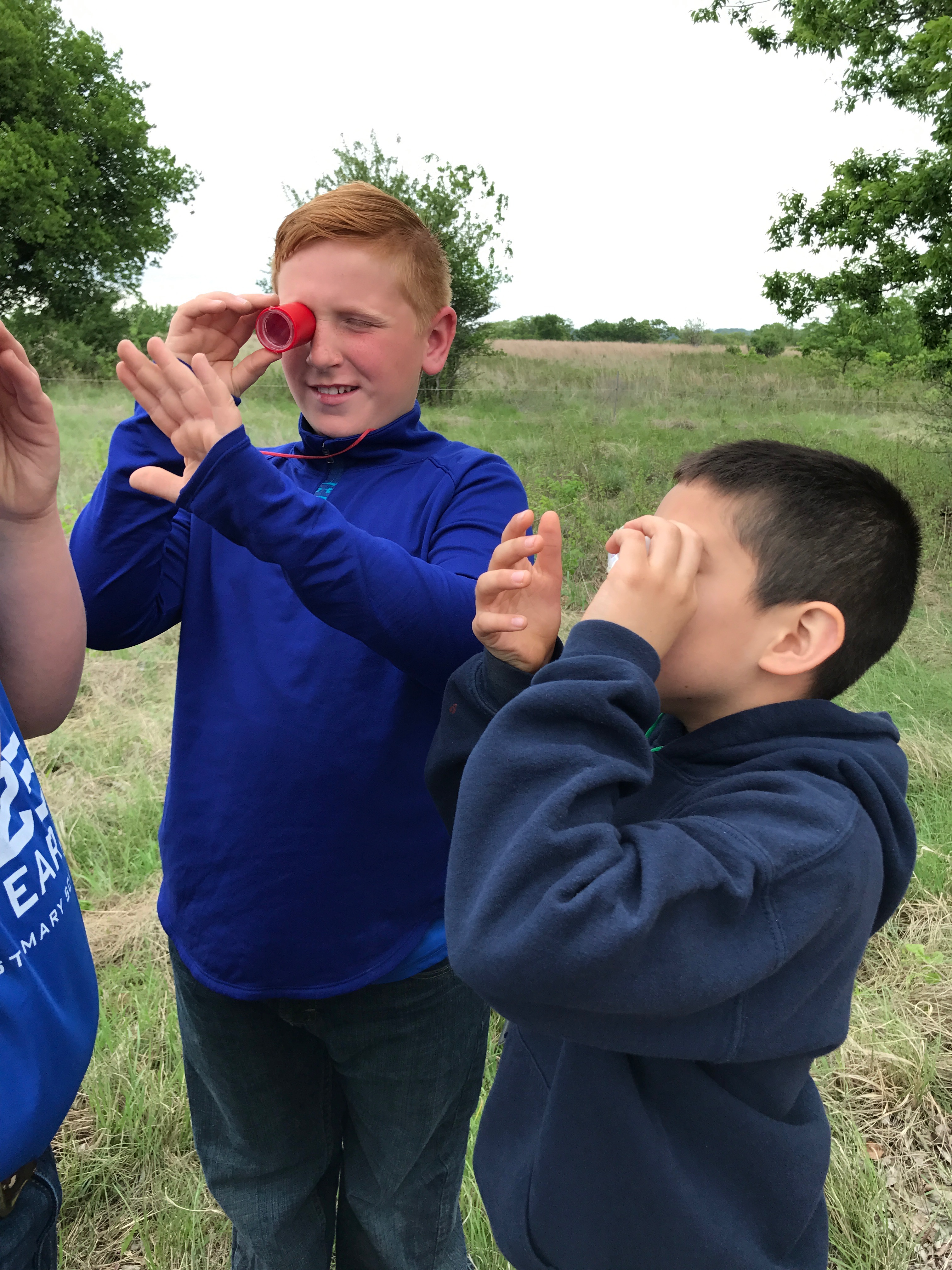
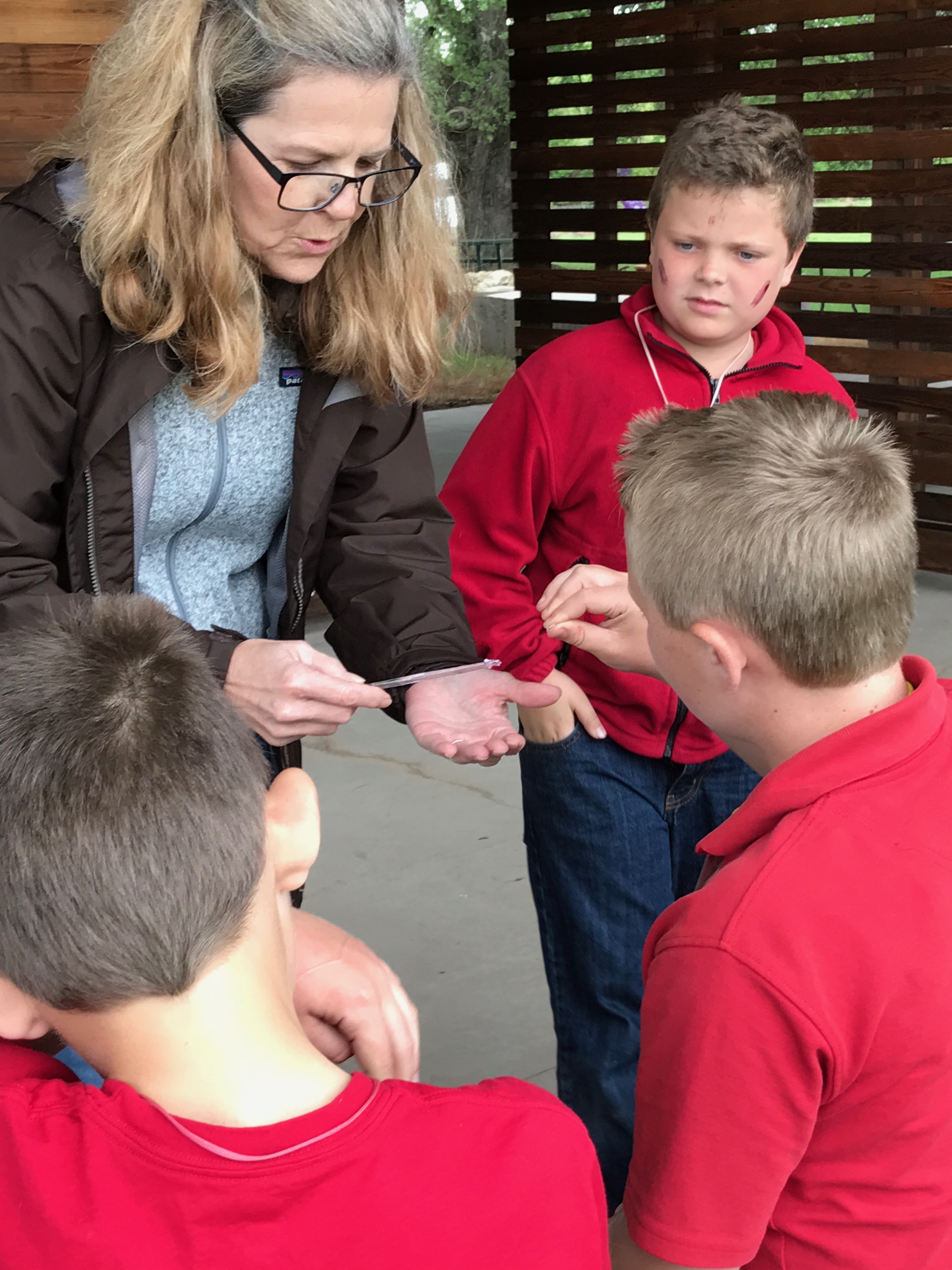
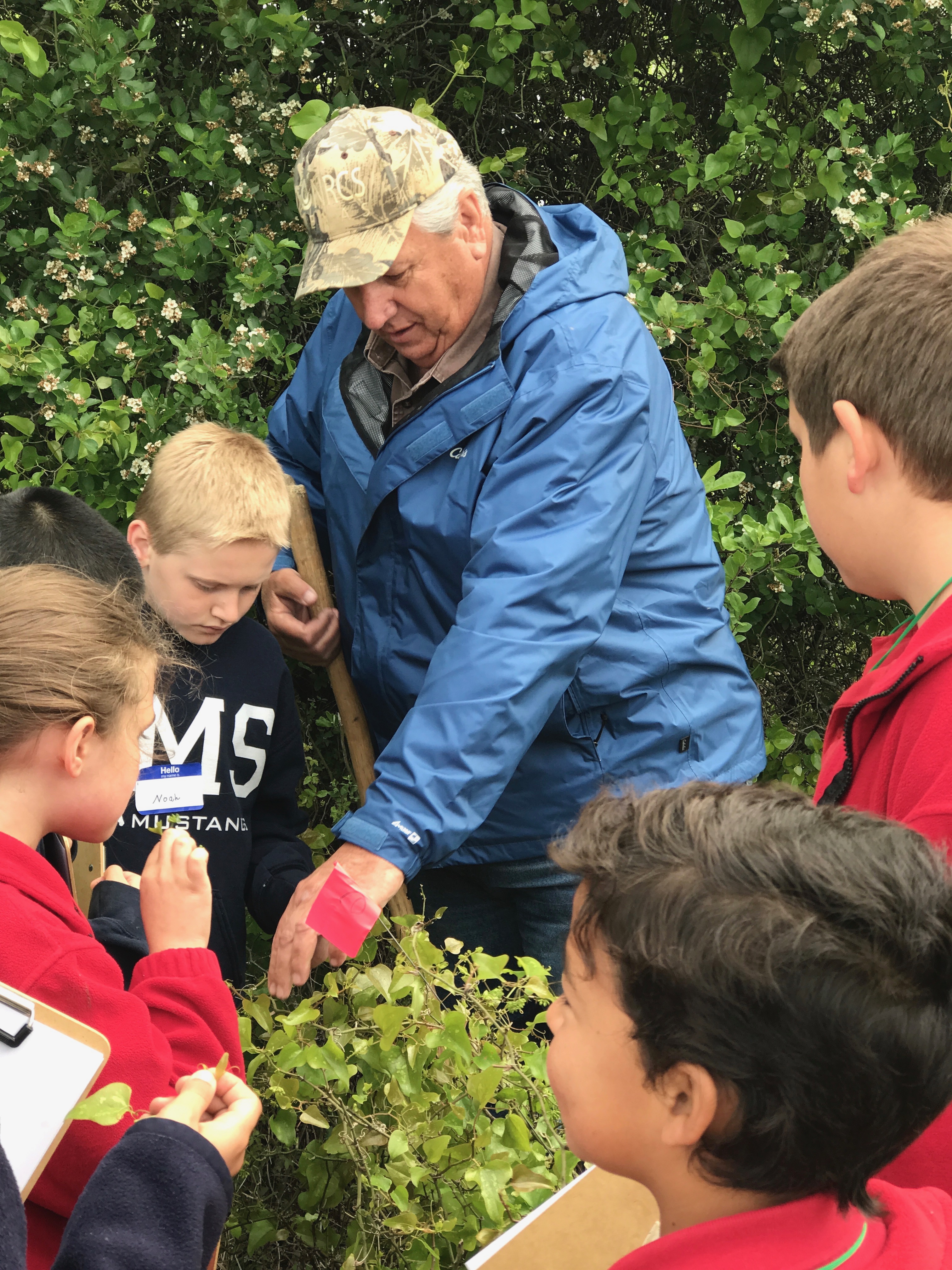
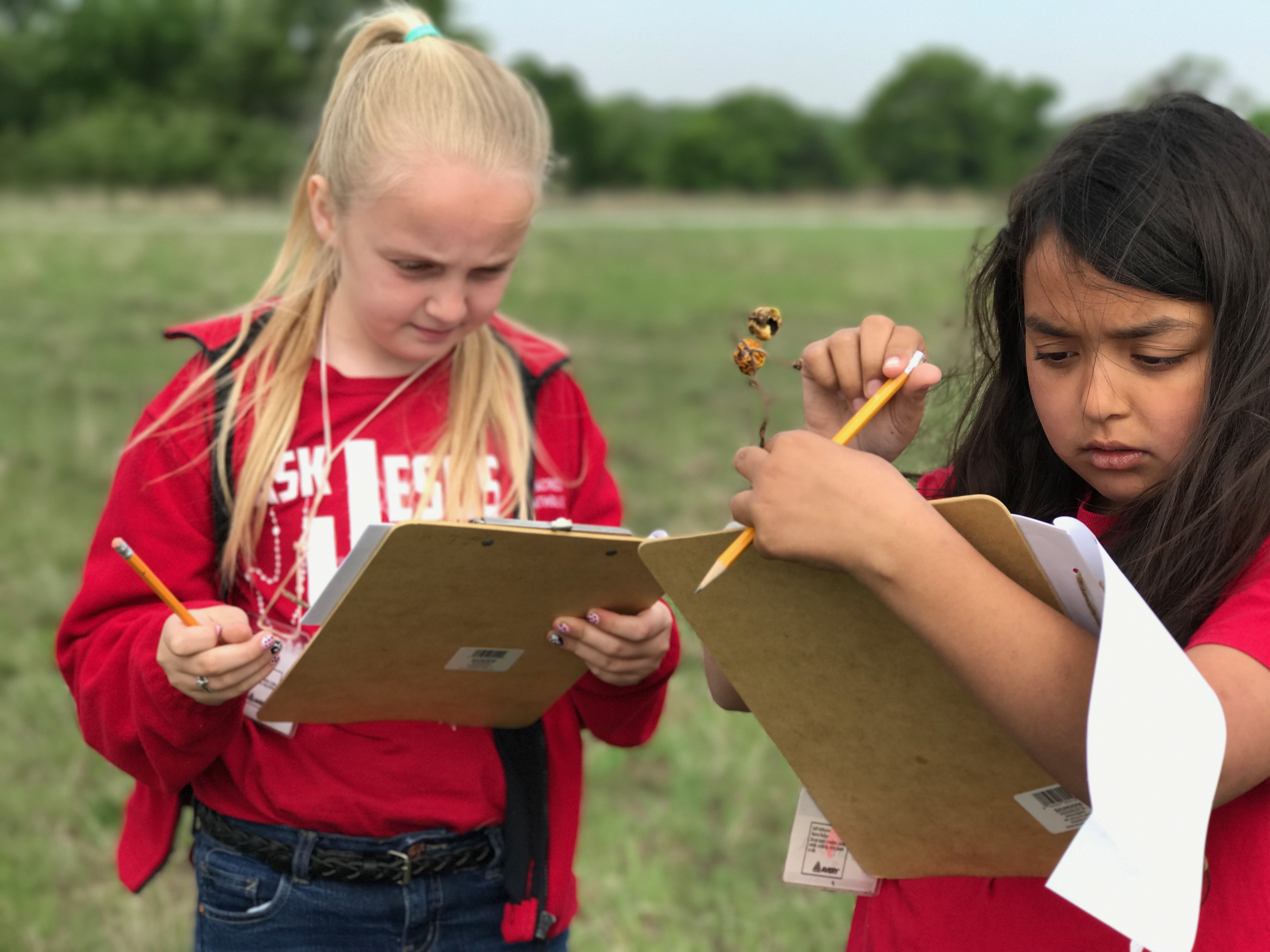
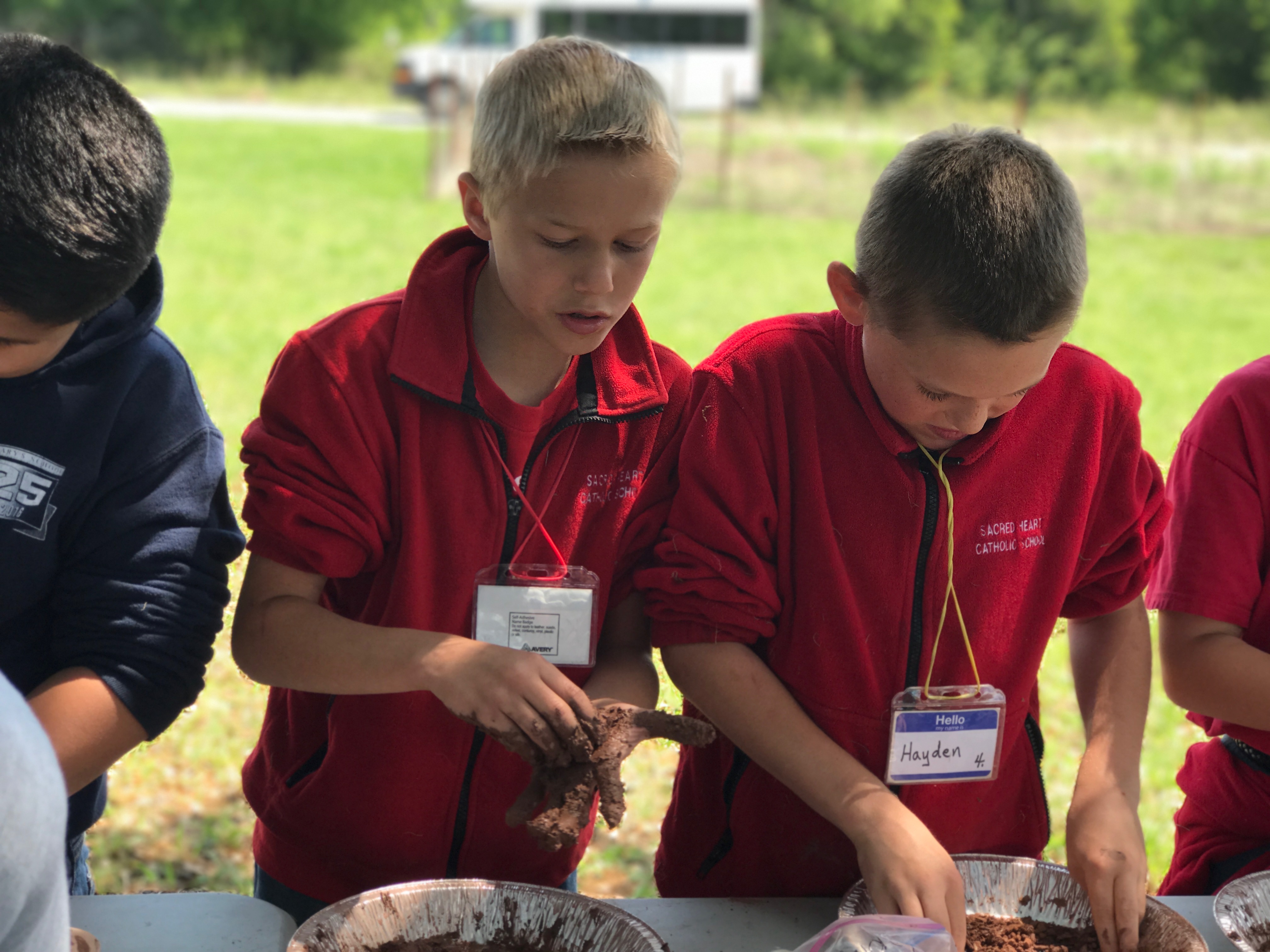
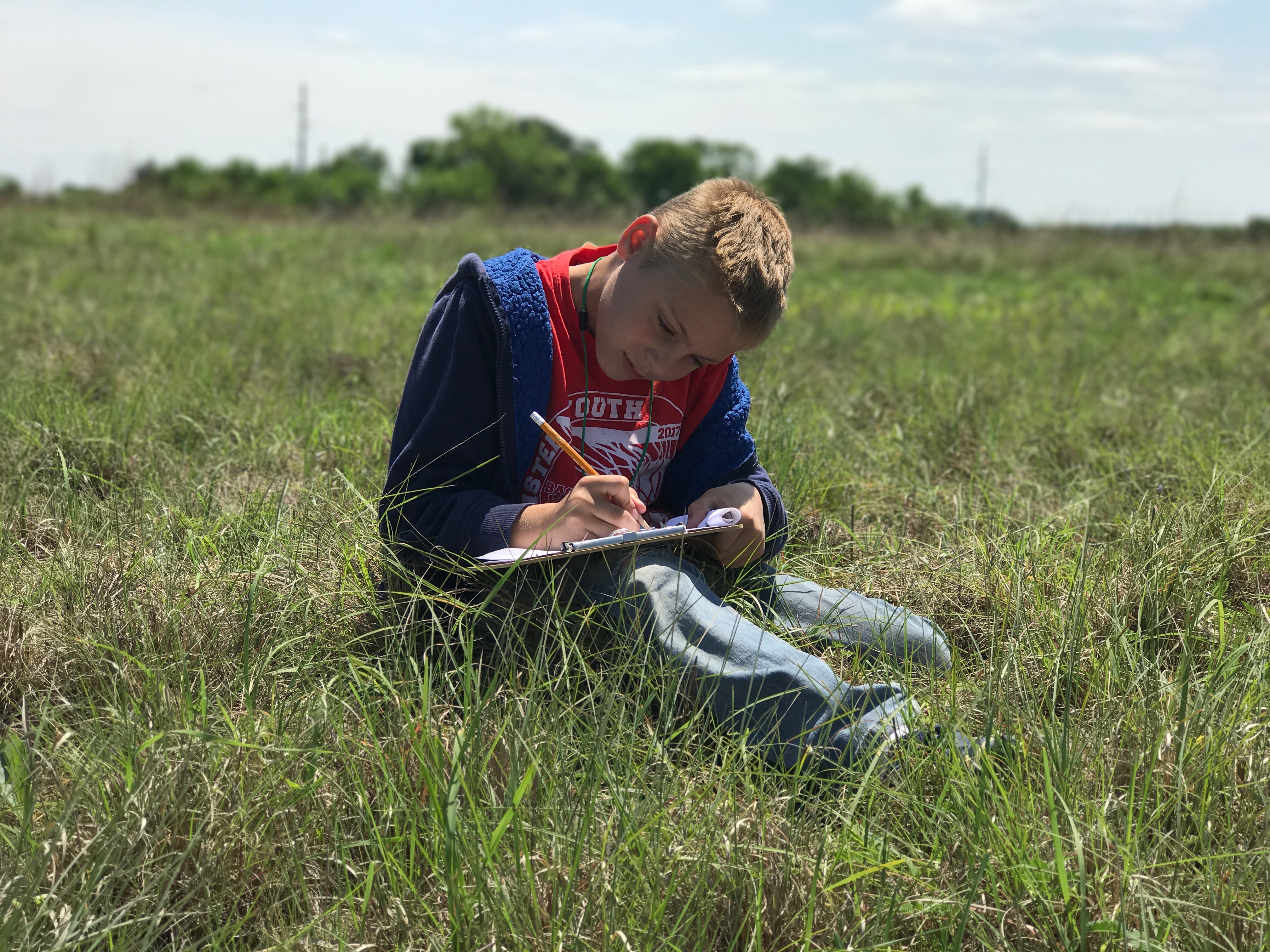
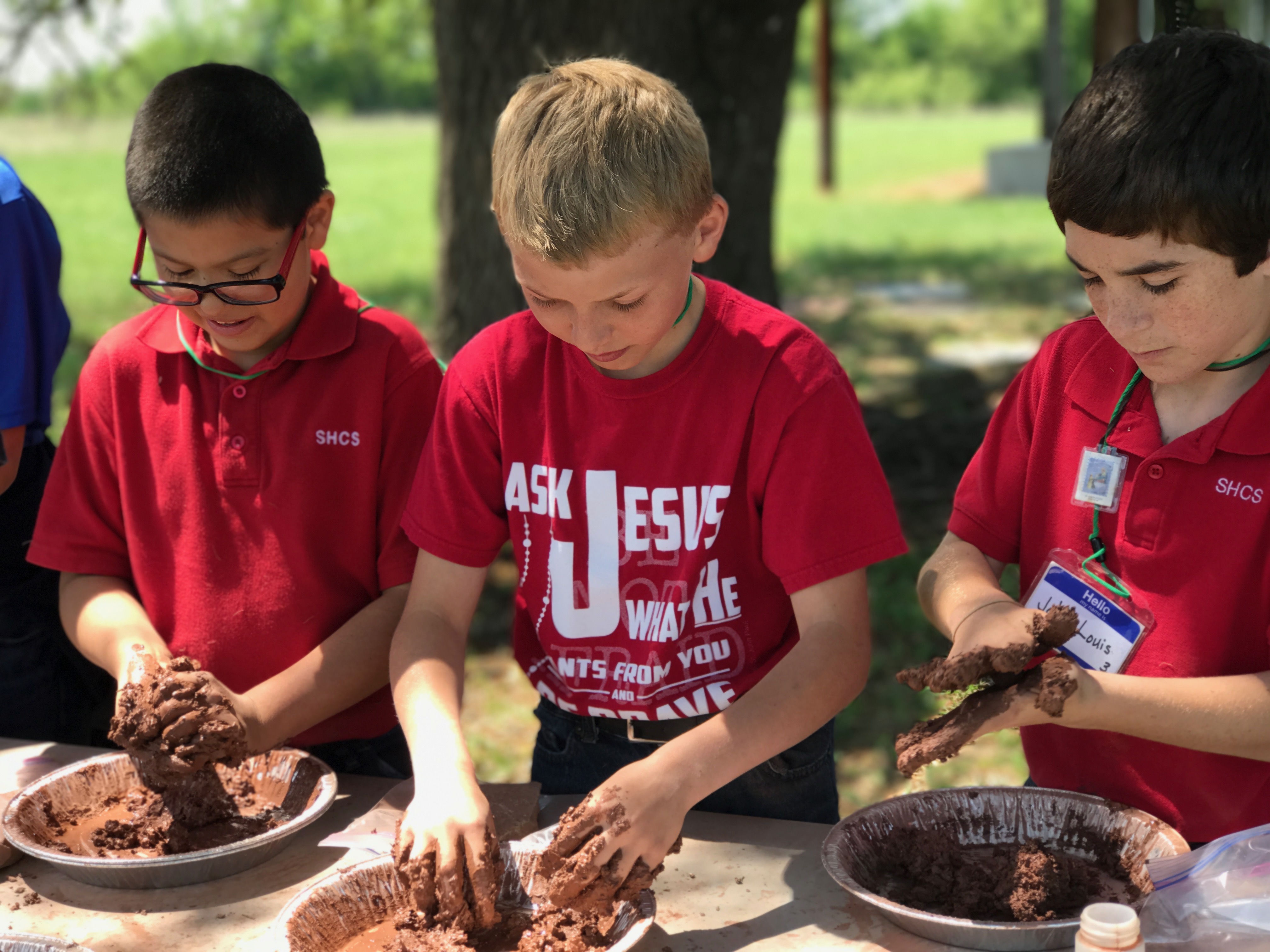
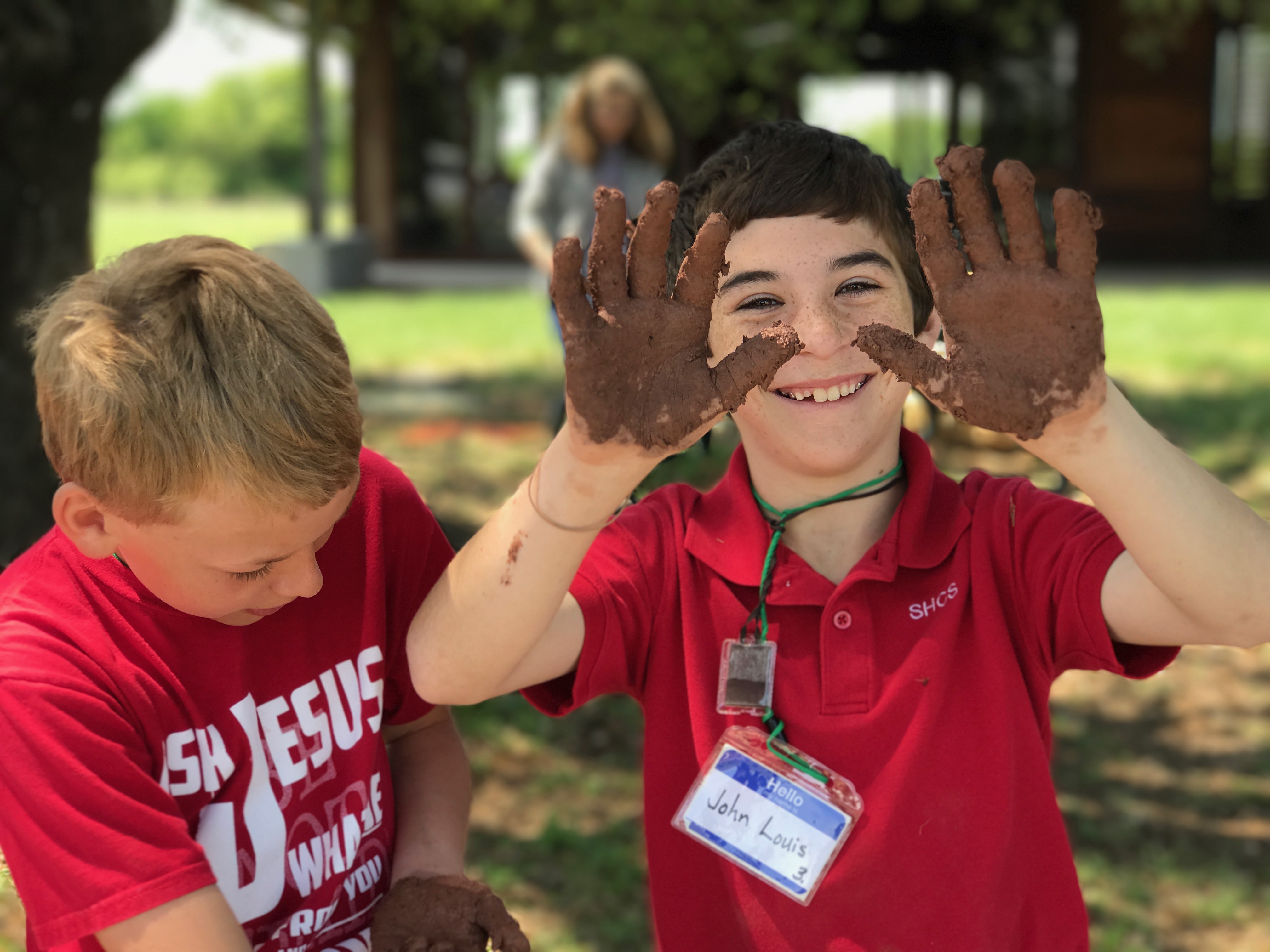
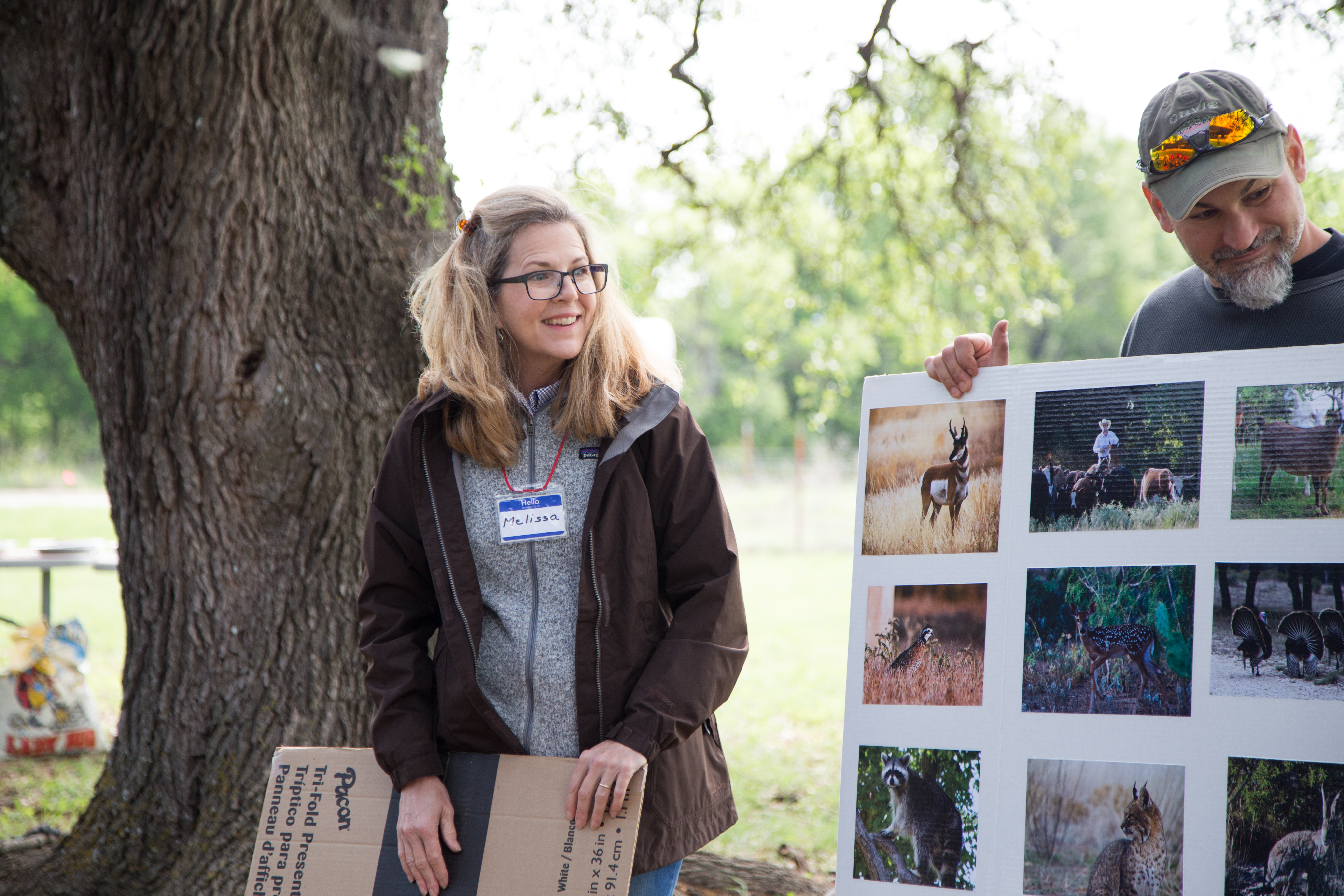
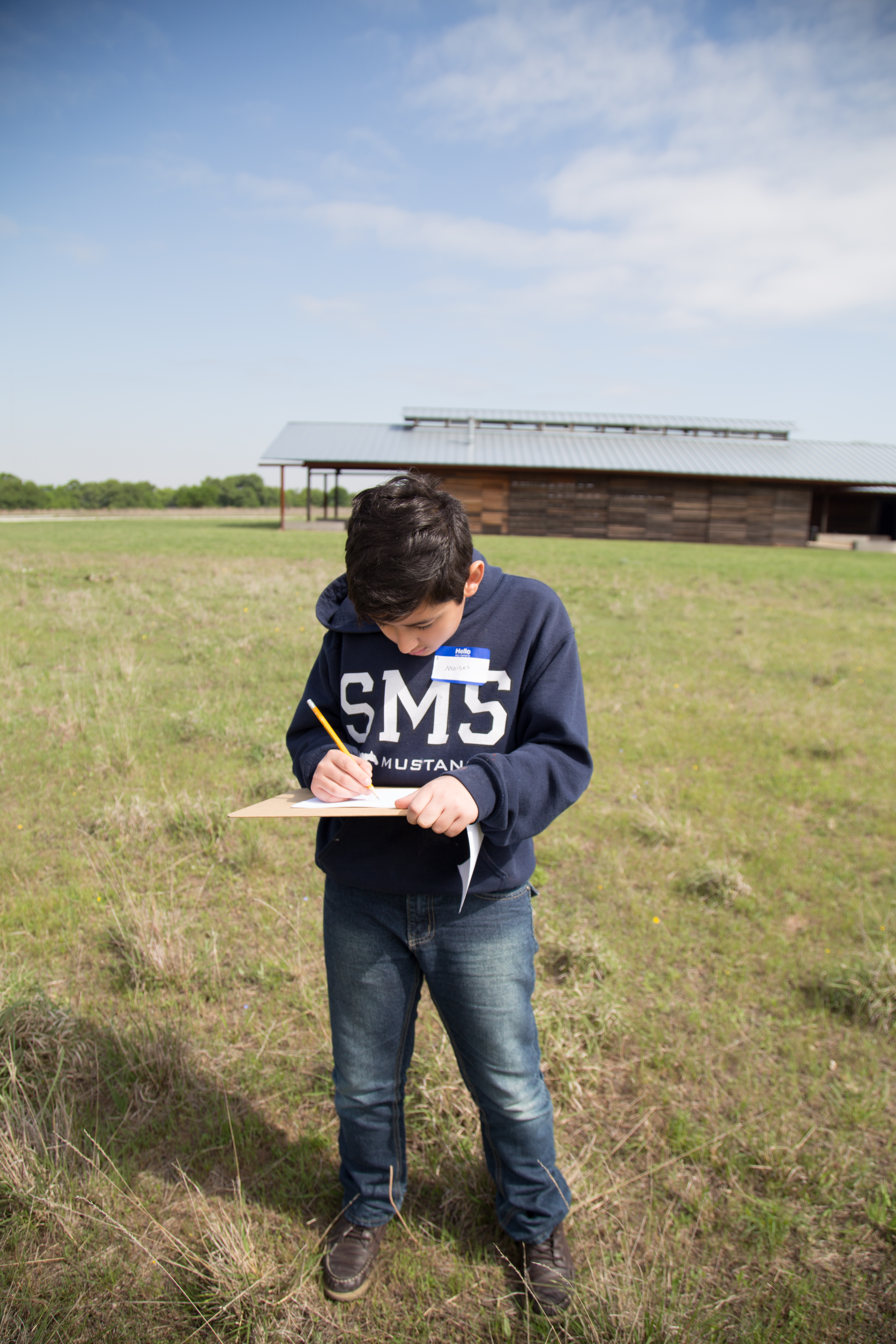
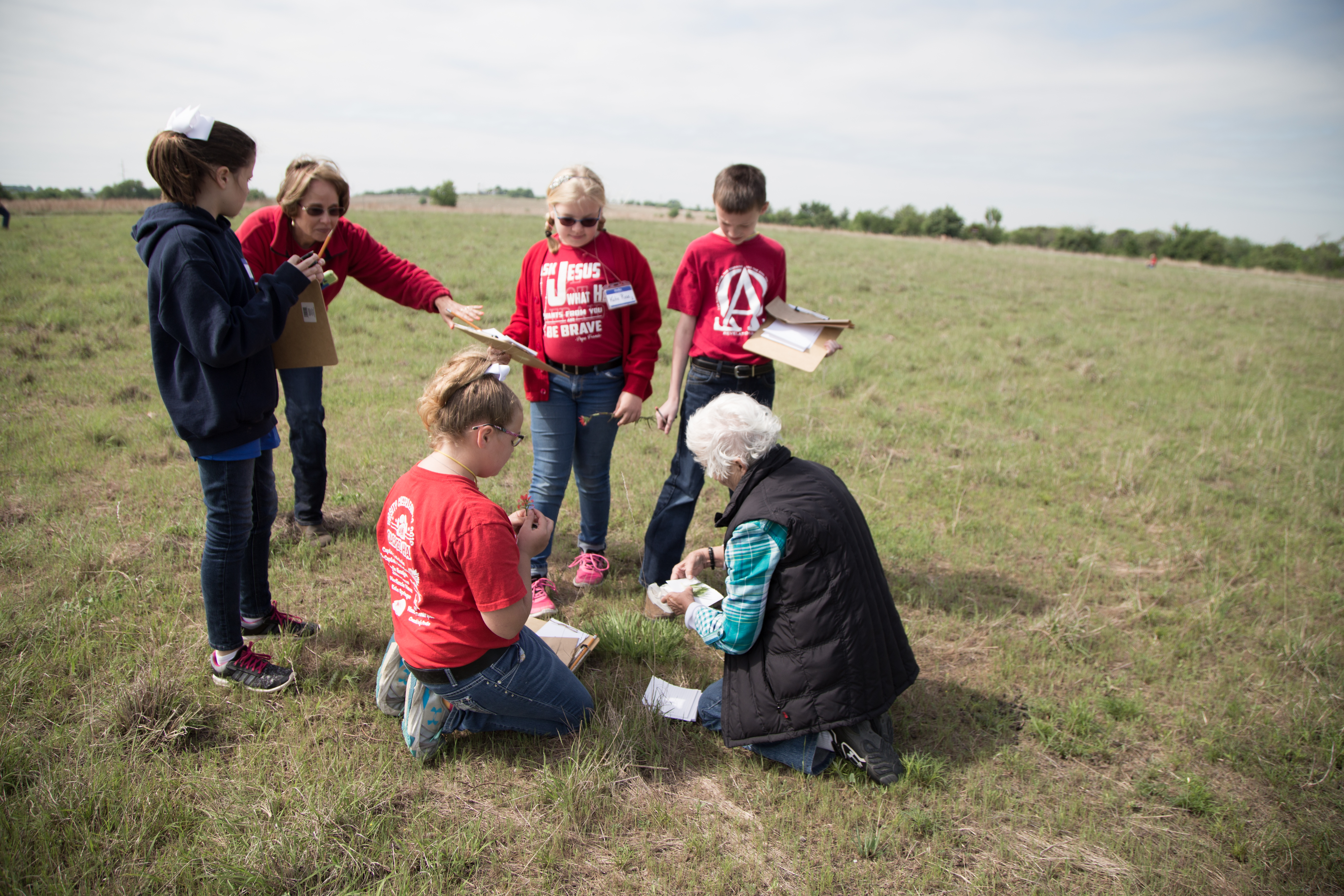
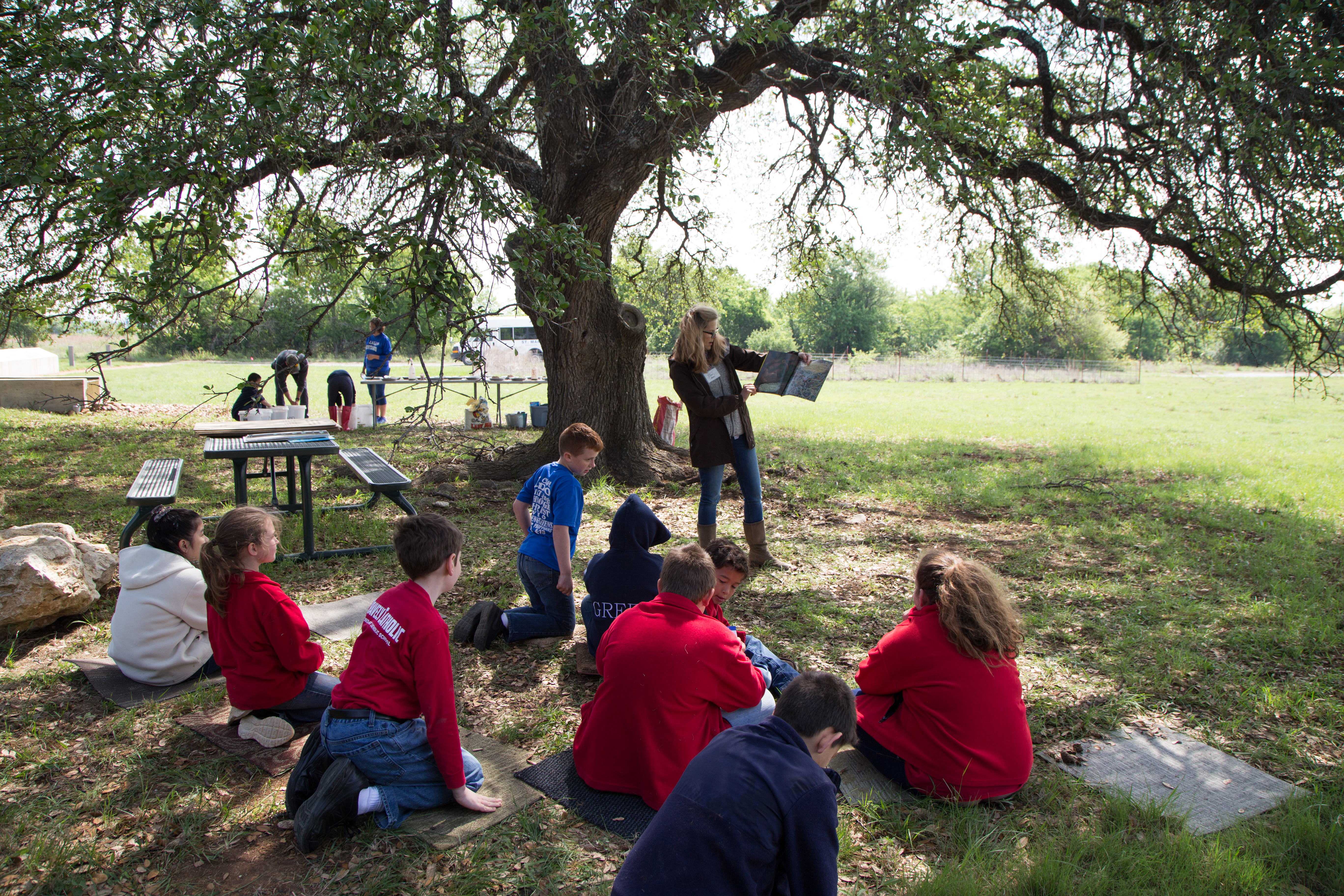
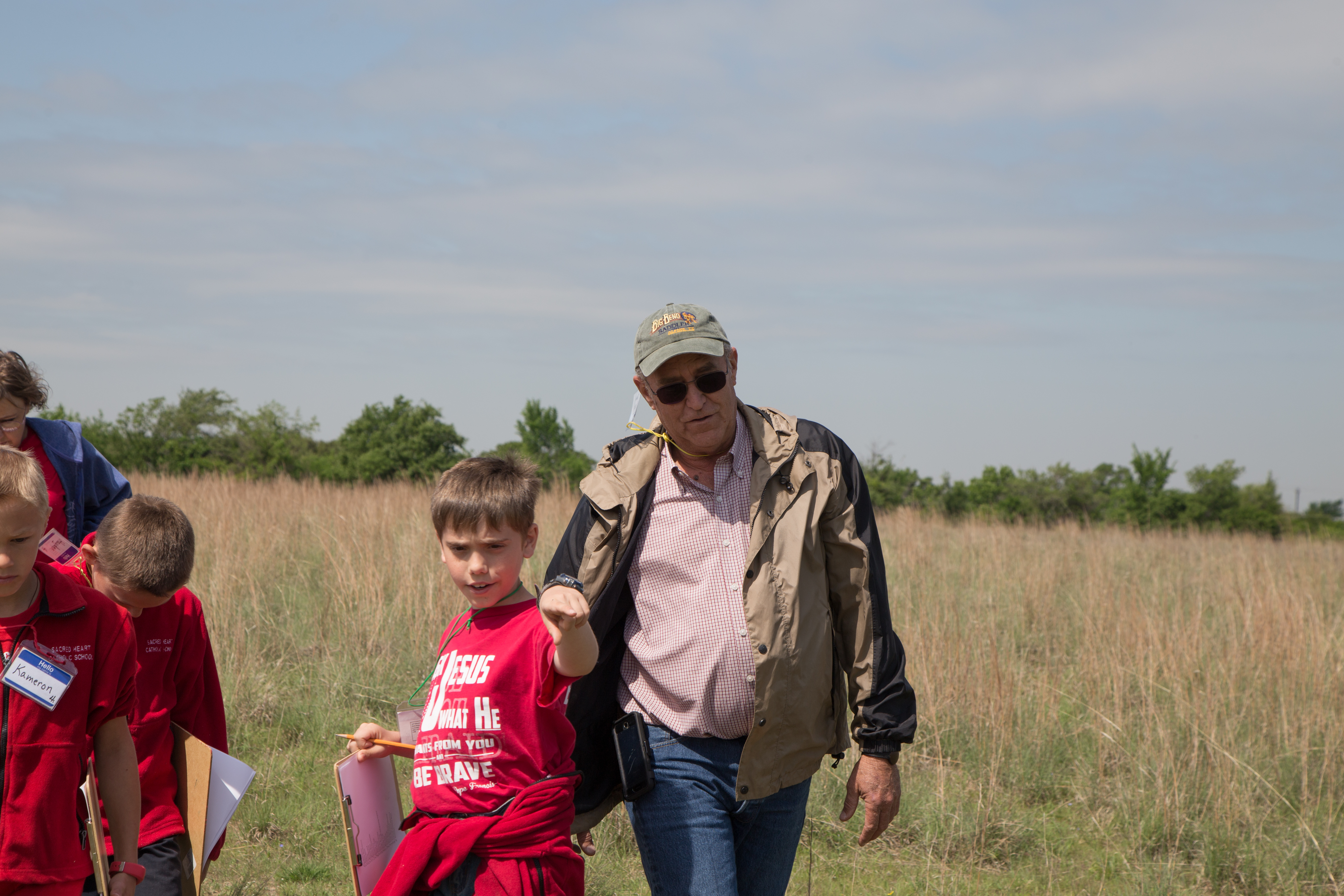
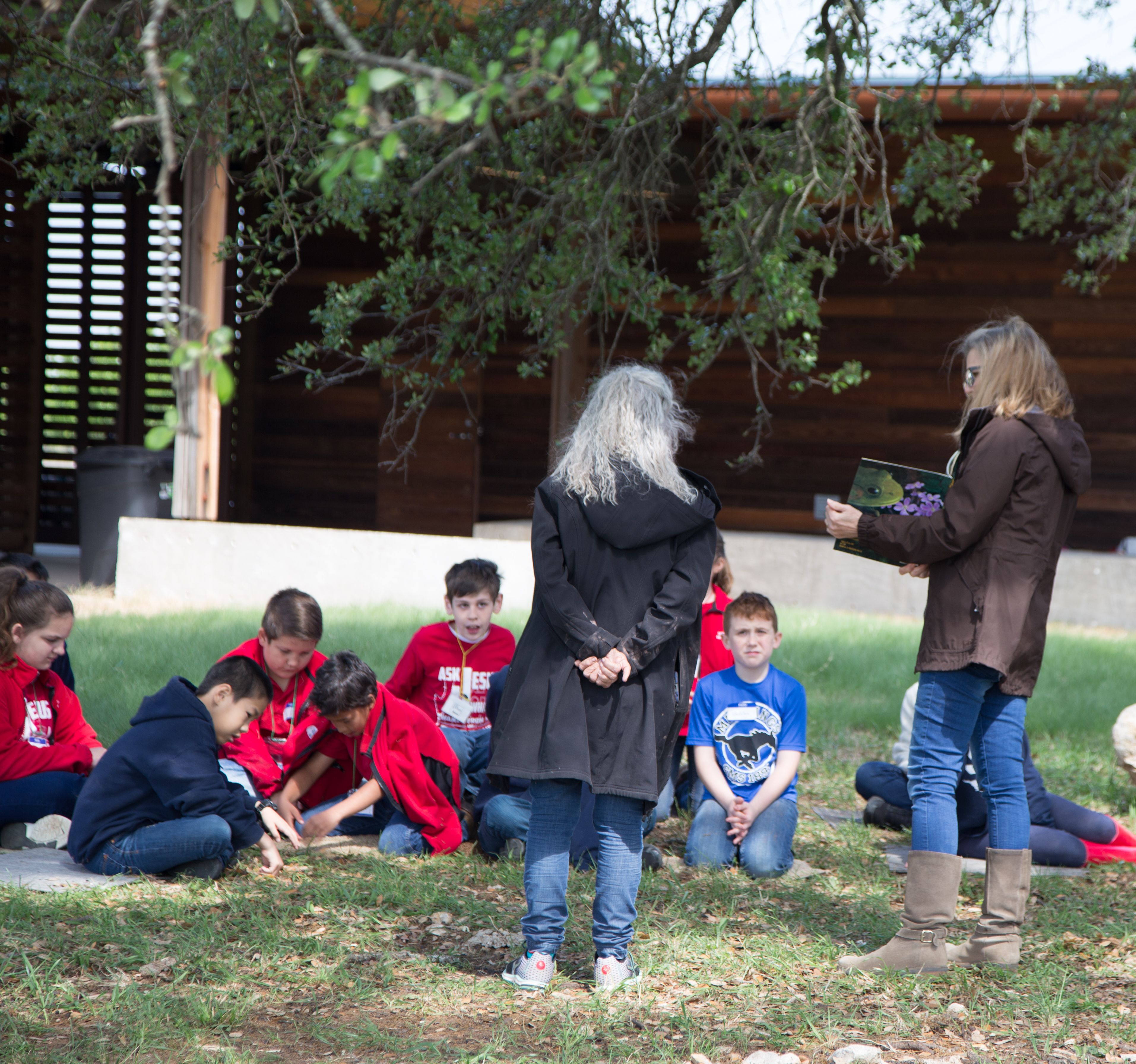
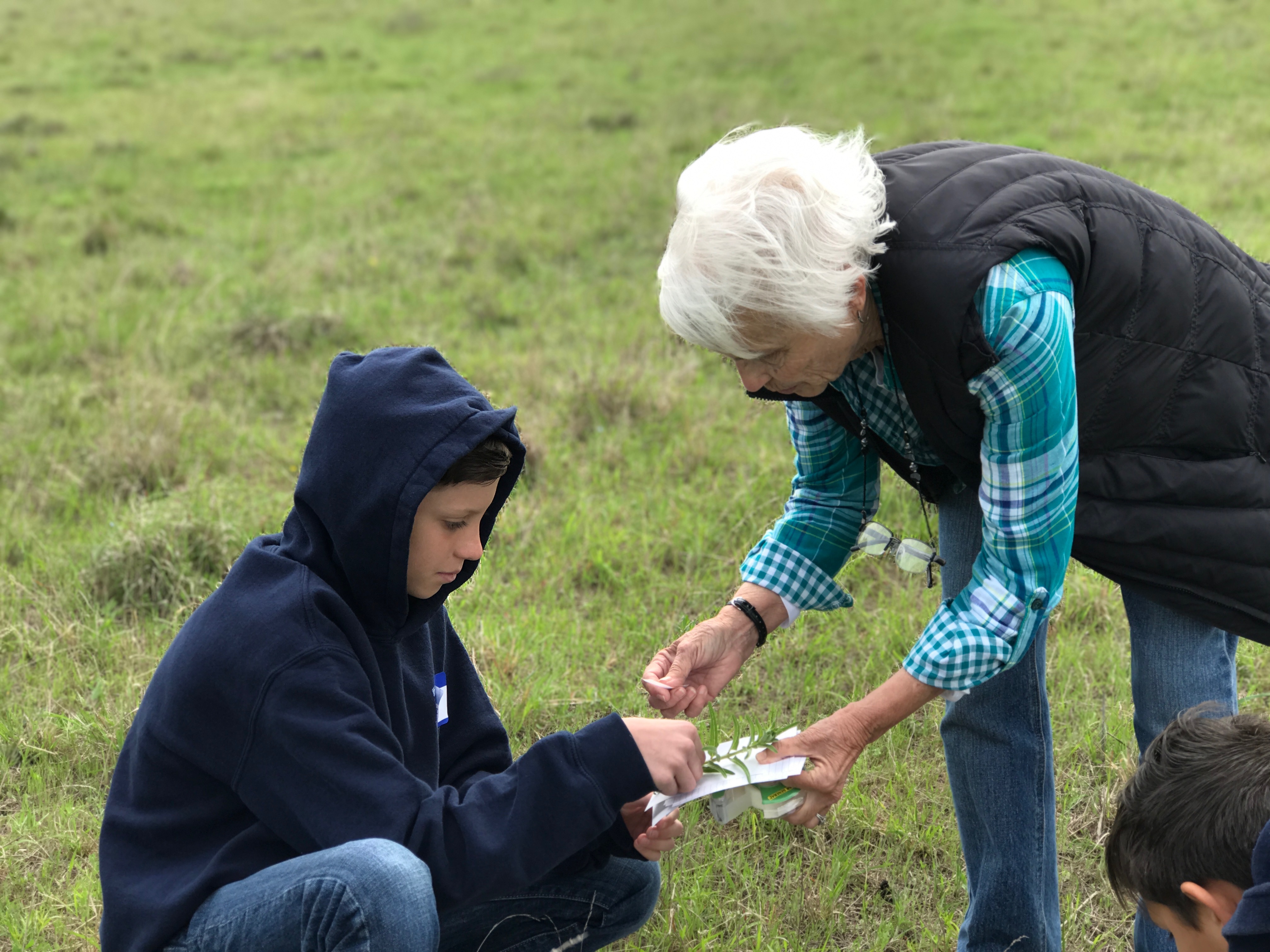
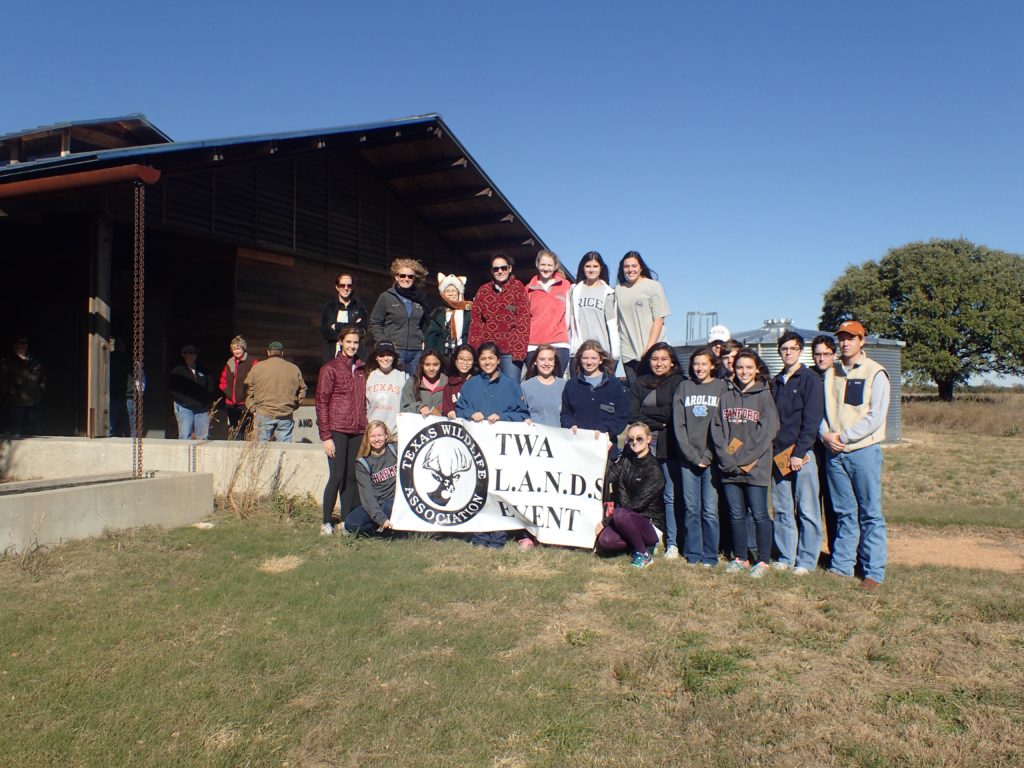
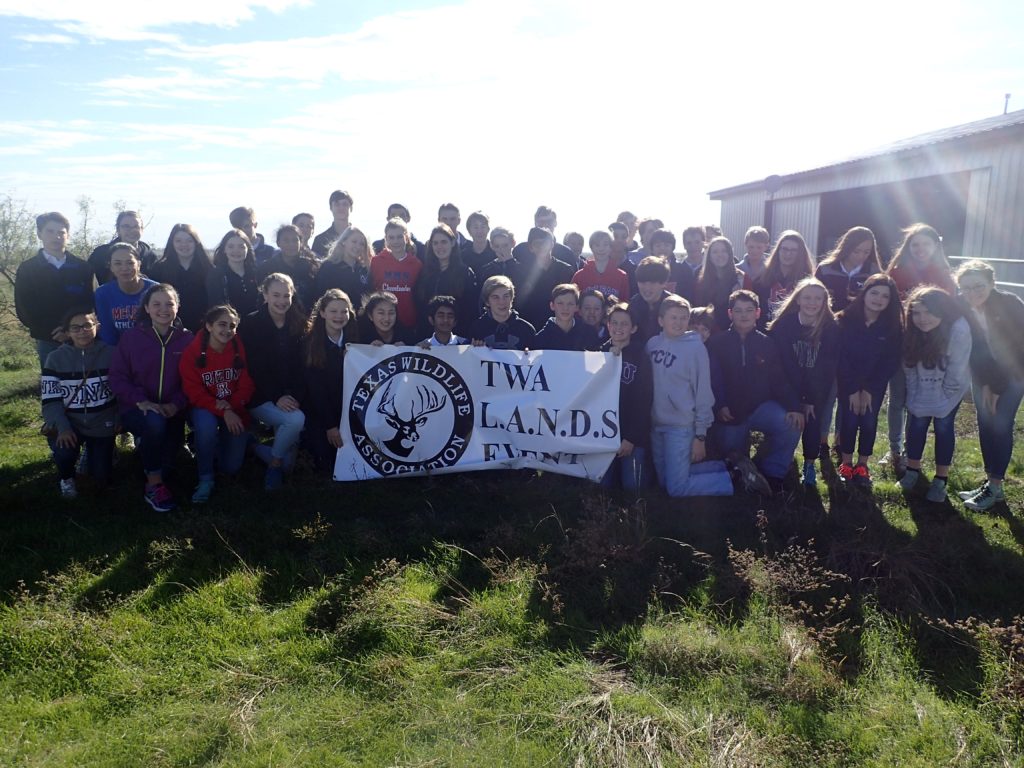
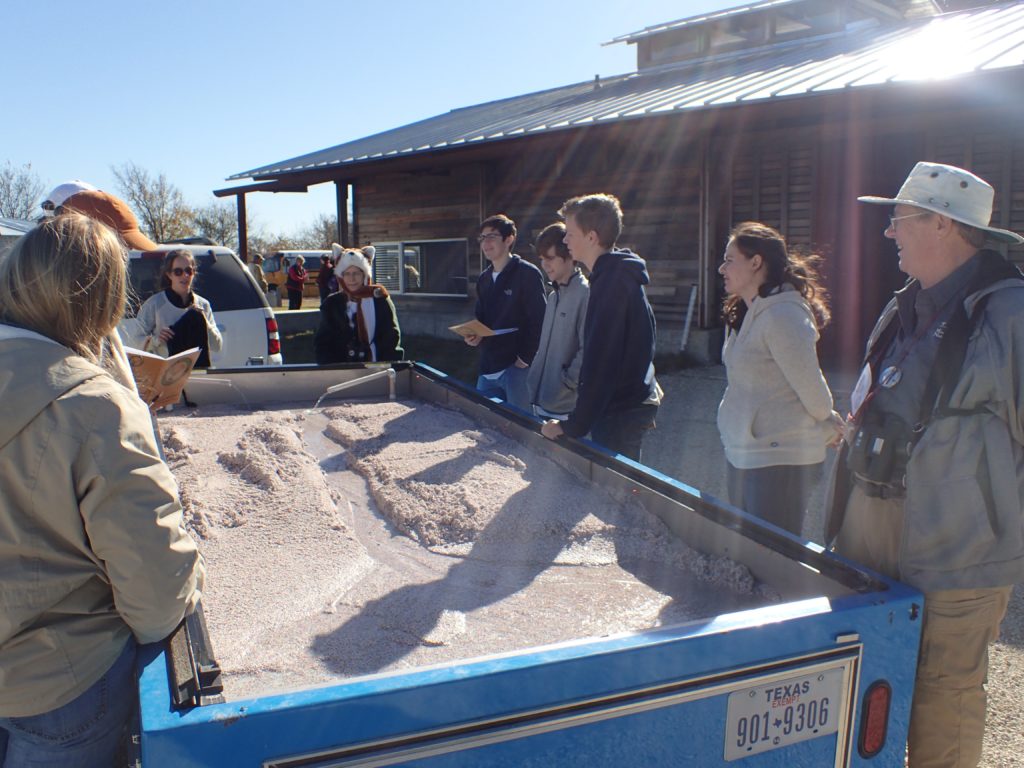
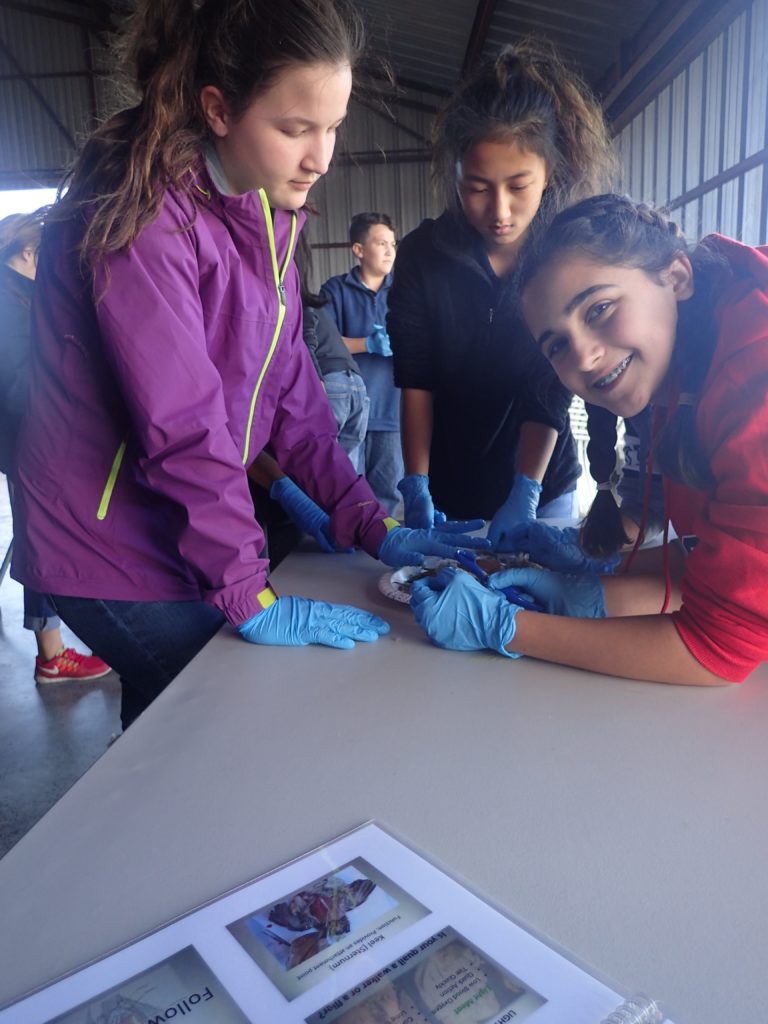
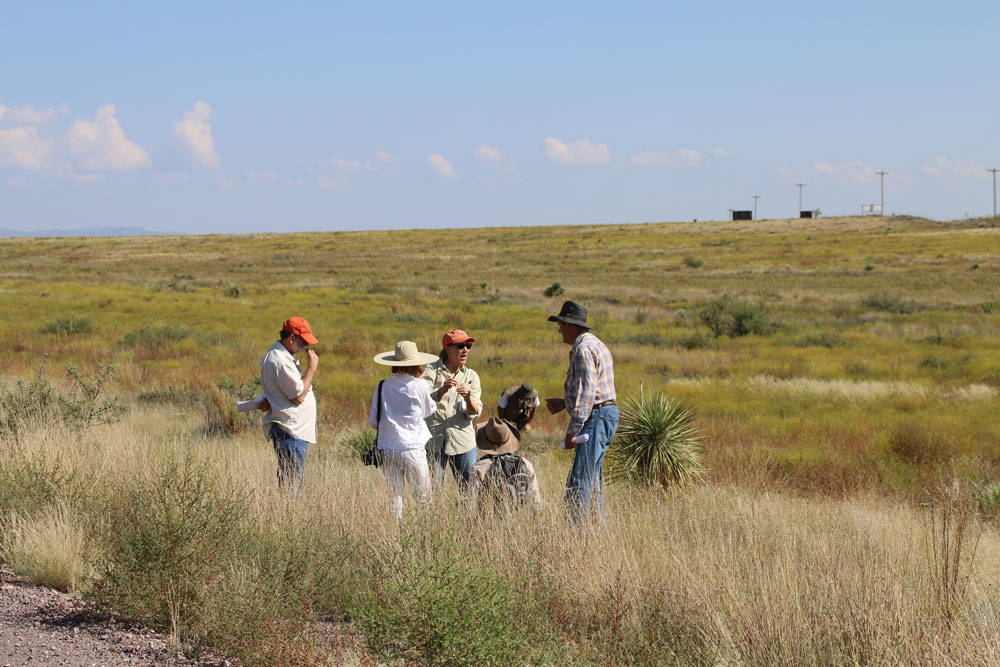
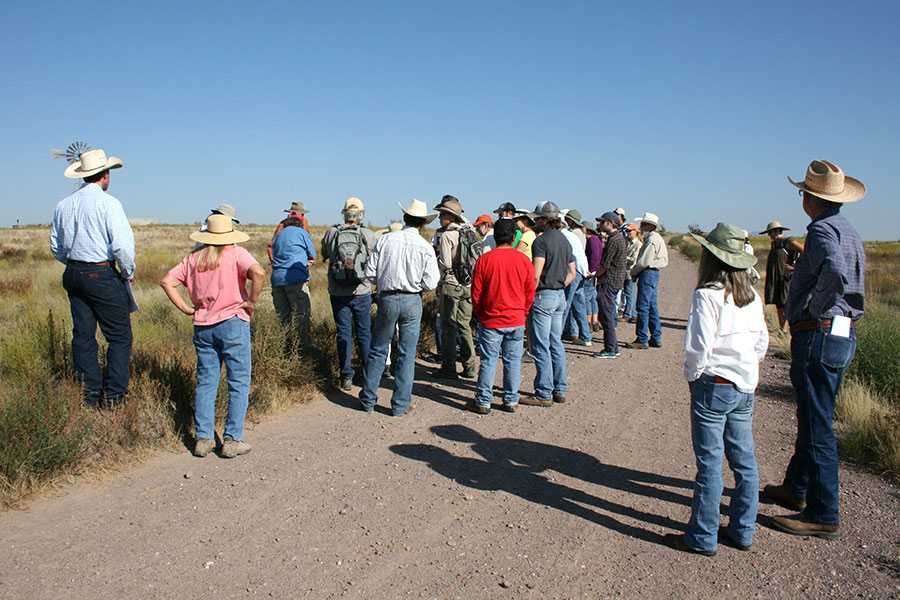
Alongside its cattle enterprise, the foundation is committed to education, outreach and community service, and its list of these credits goes on and on for pages in the award nomination form. For example, Mimms Ranch serves as an outdoor classroom for K-8 students at Marfa International School. Students study sustainable land management, water quality, soil health, desert plants and animals, and other topics through hands-on activities at the ranch. Similarly, more than 1,200 students from Aledo I.S.D. west of Fort Worth complete field labs at Bear Creek Ranch. From studying how wildlife rebound after drought to pronghorn restoration, the foundation also hosts research projects on its properties in partnership with multiple colleges and universities.
Ultimately, it all comes back to water, which the foundation views as the single most important resource for Texas’ future.
“Lots of people worry about how much rain falls,” Potts said, “but what really matters is how much rain gets in the ground. That’s the rain you can use. The rain that runs off, that creates flash floods, that erodes creek banks, that silts up reservoirs — that doesn’t do you any good.”
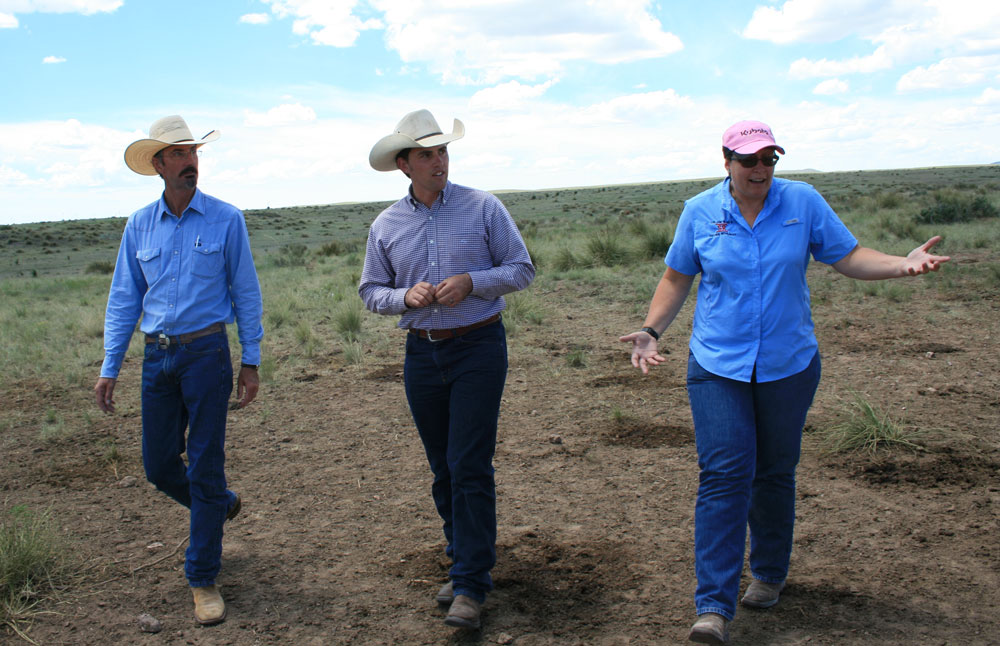
“What’s easy to happen in these drier environments is that you lose the ground cover, and when that happens you end up with bare ground, and when you have bare ground it’s like not having skin on the earth,” Potts explained. “So we’ve been really pleased that we’ve been able to bring back a lot of the native cover with low grasses like curly mesquite interspersed with bunch grasses like blue gramma.”
“By owning these ranches and being able to raise and sell cattle and support the economics of the enterprise, we’re also able to build wealth in the soil. We’re able to build micro-life in the soil, sequester carbon in the soil, create healthier forage, and then that pays dividends over a long period of time.”